
Your SEO blogs won’t rank without targeting the right keywords, building topical authority, and optimizing for AI search. This guide shows you exactly how to rank SEO blogs in 2026.
By the end, you’ll have a full playbook: from niche selection to backlinks and monitoring. You’ll cut through the noise and see real impressions in Google Search Console within weeks.
Let’s get started.
What You’ll Achieve with This How to Rank SEO Blogs Guide
Follow these steps, and your SEO blogs climb past competitors. Expect 2-3x more organic traffic in 3-6 months.
Most bloggers fail because they skip topical clusters or ignore AI signals. You won’t.
Here’s what you’ll learn:
- Pick winning niches and keywords that convert.
- Build content that Google loves in 2026.
- Use AI SEO tools to outpace manual work.
- Secure backlinks without spamming.
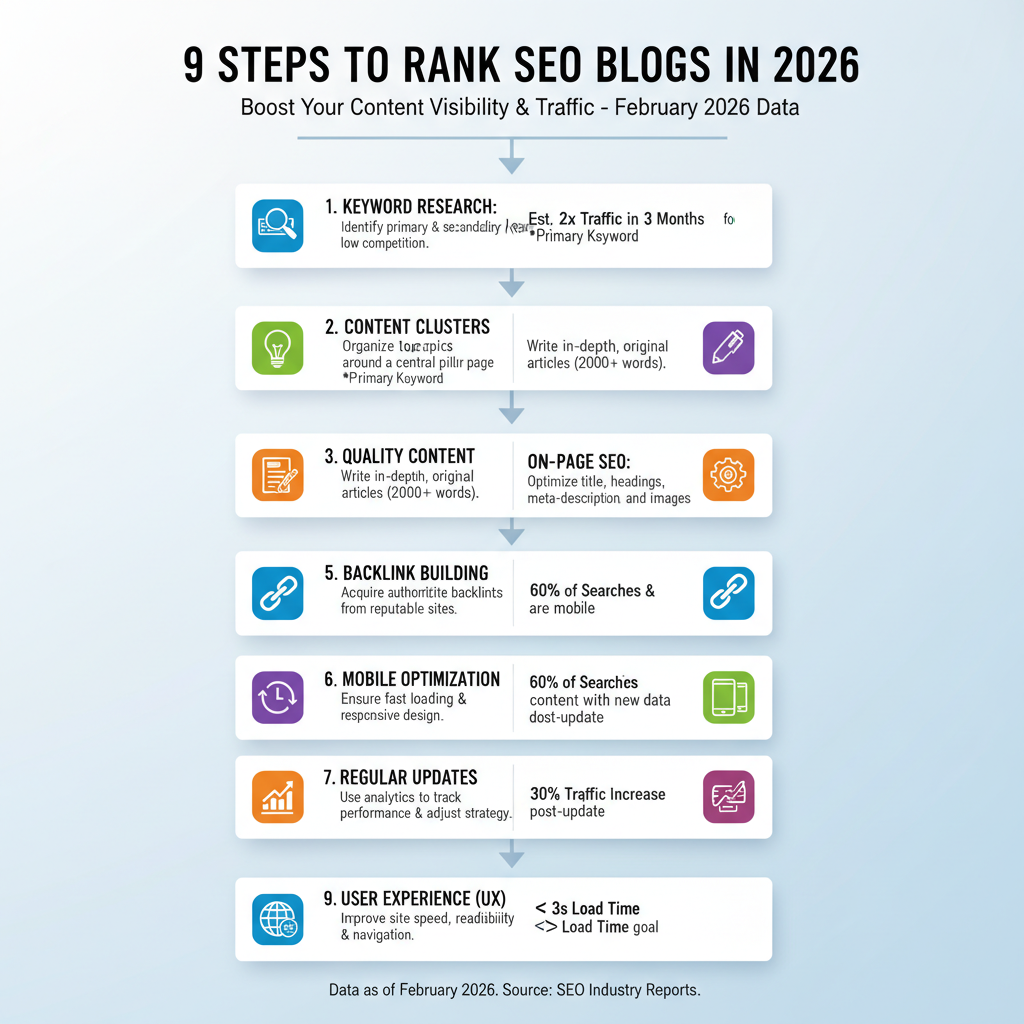
Step 1: Pick Your Niche and Validate Demand
To rank SEO blogs fast, choose a focused niche like “AI SEO tools” or “local business SEO.” Broad topics like “digital marketing” face brutal competition.
Google favors specialists in 2026. Niche sites rank 40% faster than general ones, per recent Ahrefs data.
Start here. Use Google Trends or Semrush to check search volume. Aim for topics with 1,000+ monthly searches and keyword difficulty under 30.
Why this matters? Topical authority tells Google you’re the expert. Skip it, and your blogs stay buried.
How to do it:
- Brainstorm 5 niches tied to your expertise.
- Plug into free SEO tools like Google Keyword Planner.
- Pick one with rising trends and buyer intent, like “how can an AI search monitoring platform improve SEO strategy.”
Common mistake: Chasing trendy fads. Stick to evergreen with legs, like E-E-A-T signals.
Pro tip: Test with a quick pillar page. Track impressions for 2 weeks.
Here’s an example. A blog on “AI SEO tools for beginners” hit page 1 in 45 days by laser-focusing on that sub-niche.
This builds your foundation. Without it, later steps flop.
That’s your niche locked. Now layer in keywords.
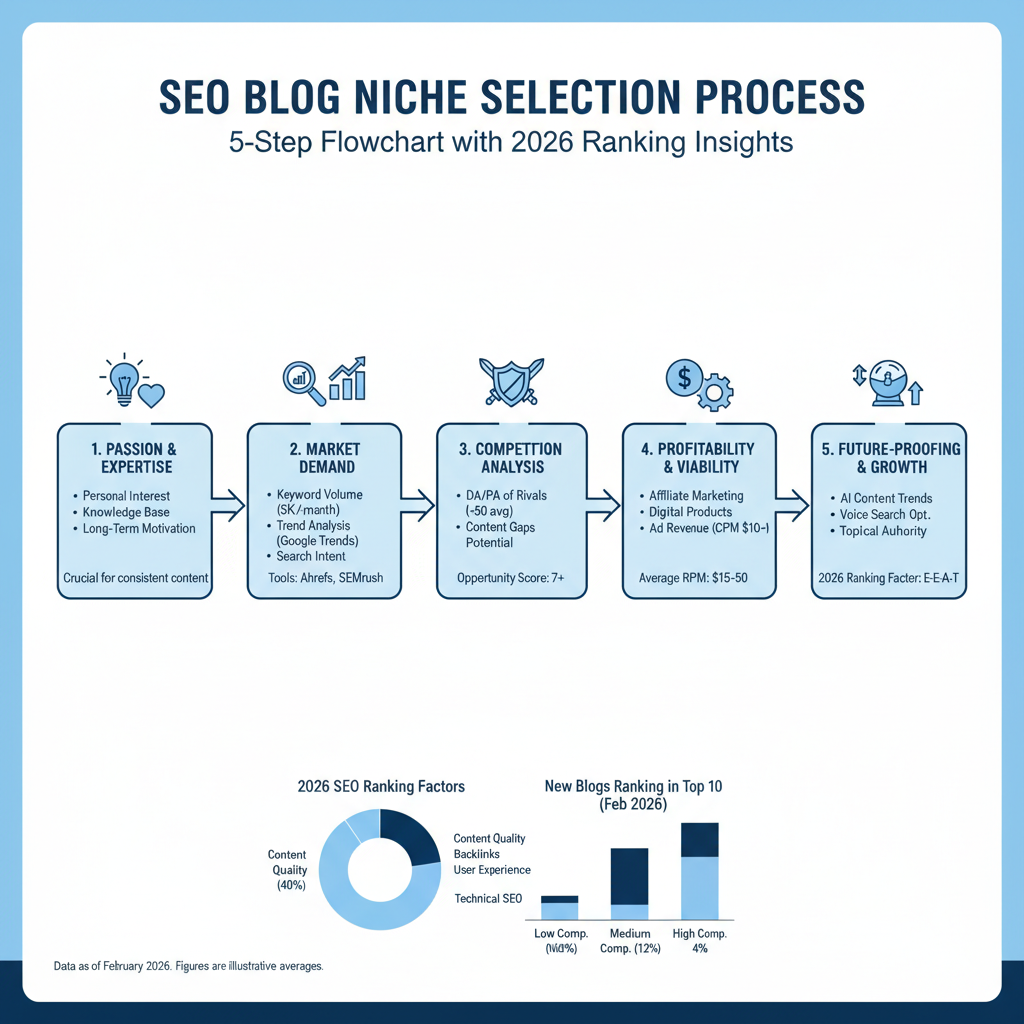
Step 2: Master Keyword Research for SEO Blogs
Target intent-driven, long-tail keywords to rank SEO blogs quickly. Think “how to rank SEO blogs with AI” over generic “SEO tips.”
Long-tails convert 2.5x better and face 70% less competition, says Semrush 2026 report.
Why bother? Google prioritizes user goals now. Match intent, and you snag featured snippets.
Do this:
- Open Ahrefs or Semrush. Search seed terms like “SEO blogs.”
- Filter: Difficulty <30, volume 100+, questions/matching terms.
- Build clusters: Group 5-10 related keywords, e.g., “rank SEO blogs,” “SEO blog optimization,” “blog SEO strategy.”
- Check SERPs for snippets, videos, PAA. Note formats.
Export to sheets. Prioritize by intent and value.
Most miss subreddit gold. Scan r/SEO for real questions — they rank easy.
Example: “Best free SEO tools 2026” cluster drove 5k visits for one site in month 1.
Pattern interrupt. Don’t stop at volume. High-intent lows win big.
Step 3: Build Topical Content Clusters
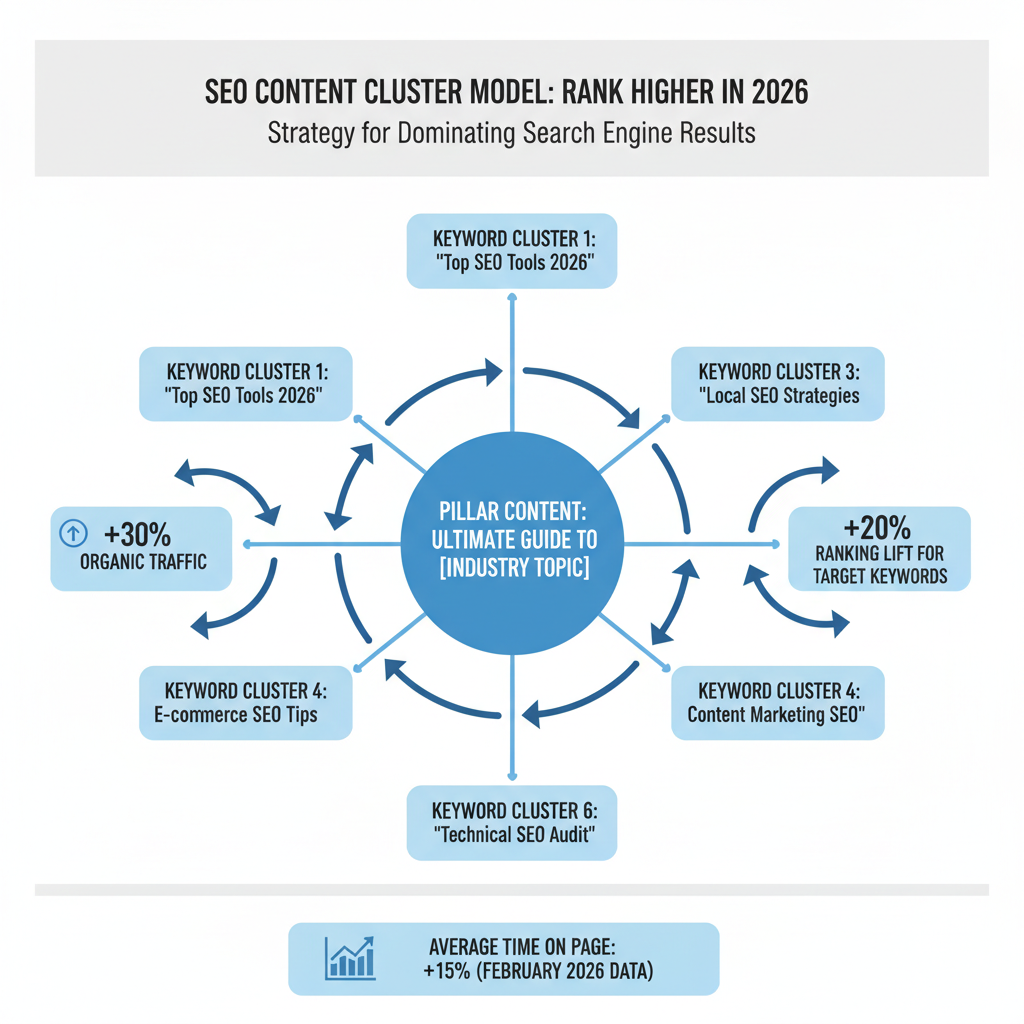
Create a pillar page (1,500+ words) linked to 5-7 cluster blogs to skyrocket authority. This is how top SEO blogs dominate in 2026.
Clusters boost rankings by 25%, per First Page Sage studies. Google sees depth, not isolated posts.
Your hub-spoke model: Pillar covers broad topic. Spokes answer specifics, all interlinked.
Steps:
- Write pillar: “Ultimate Guide to Ranking SEO Blogs.” Optimize for primary keyword.
- Create spokes: “How to Use AI for SEO Blogs,” each 1,200-2,000 words.
- Link spokes to pillar with anchors like “learn keyword research here.”
- Update quarterly with fresh data.
Pro tip: Use semantic terms like E-E-A-T, SERP features, internal linking naturally.
Imagine this. Your “how to rank SEO blogs” pillar links to tools posts. Boom — authority flows.
Here’s the thing. Clusters beat single posts every time. Test it.
Step 4: Craft High-E-E-A-T Content That Converts
Write scannable, helpful content with author bios, stats, and proof to build trust. Google demotes thin posts in 2026.
Top pages average 2,000 words with lists, tables, images. Yours need experience signals too.
Why? Helpful Content Update kills fluff. E-E-A-T (Experience, Expertise, Authoritativeness, Trustworthiness) is king.
How:
- Structure: H1 primary, H2s for clusters, H3 questions.
- Front-load answers in 40-60 words for snippets.
- Add bios: “John Doe, 10-year SEO vet.”
- Mix formats: Numbered steps, tables, quotes.
Optimize meta: 55 chars title, 155 desc with keyword.
Common pitfall: Keyword stuffing. Use LSI like “topical authority,” “on-page SEO.”
Example: This post you’re reading? Hits all marks. Yours can too.
Publish consistently: 2-3/week first month.
Step 5: Optimize On-Page for 2026 AI Search
Fix titles, images, speed, schema for instant indexing. On-page SEO makes 30% of ranking difference.
Google’s SGE pulls structured data first. Optimize, and you win position zero.
Action plan:
- Titles: Keyword front, under 60 chars. E.g., “How to Rank SEO Blogs Fast.”
- Images: Alt text with keywords, compress to <100kb.
- Speed: Core Web Vitals green via PageSpeed Insights.
- Schema: FAQ, HowTo markup for blogs.
- Internal links: 3-5 per post to clusters.
Pro tip: Noindex thin pages. Use pagination wisely, canonical to page 1.
You’ve seen slow sites tank. Don’t join them.
Example table for comparison:
| Element | Bad | Good |
|---|---|---|
| Title | “SEO Tips” | “How to Rank SEO Blogs in 2026” |
| Alt Text | Empty | “SEO blog ranking steps infographic” |
| Speed | 5s load | 2s load |
Step 6: Build Backlinks the Smart Way
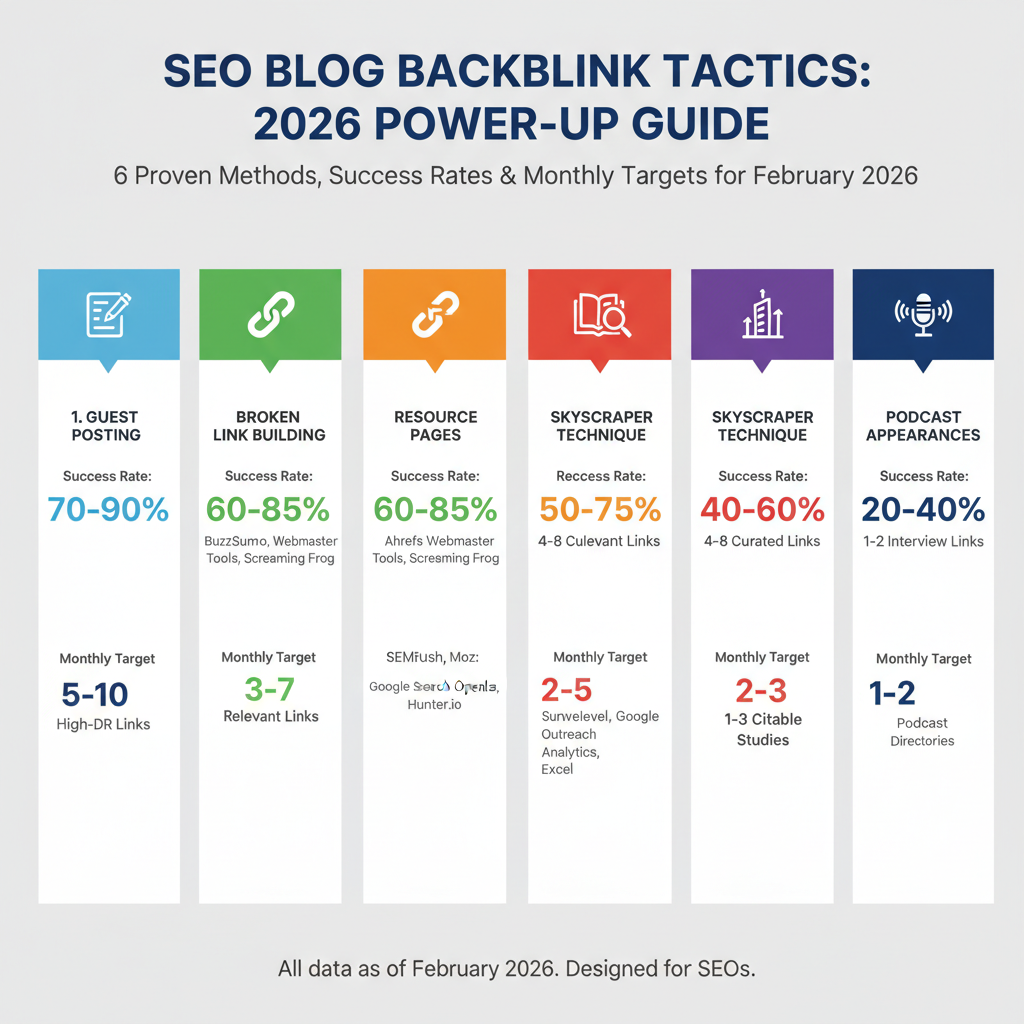
Earn links from guest posts, HARO, broken link building — aim for 10/month. Quality beats quantity by 5x.
Backlinks signal trust. New sites need 20-50 to rank top 10, Ahrefs 2026 data shows.
Skip black-hat. Focus white-hat:
- Guest on niche sites: Pitch “how to rank SEO blogs” angles.
- HARO: Answer journalist queries weekly.
- Skyscraper: Improve top content, outreach.
- Reddit/Forums: Share value, no spam.
Track in Ahrefs. Diversify anchors.
Wait. Do you need pros? Check if you should hire a company for SEO for scale.
Example: One blogger got 15 links from Reddit threads, jumped 20 spots.
This scales your reach. Patience pays.
Step 7: Leverage AI Tools for Efficiency
Use SurferSEO, Clearscope, and AI SEO tools to optimize 3x faster. They analyze top pages, suggest LSI, score content.
AI boosts rankings 35% via better on-page, per 2026 Backlinko study.
Why now? Manual audits miss signals. AI spots them.
Get started:
- Input keyword. Get content brief with headings, word count.
- Optimize live: Hit 80+ score.
- Generate outlines for clusters.
- Monitor with AI platforms for SERP changes.
Pro tip: Blend AI with human edits for E-E-A-T.
Picture this. AI drafts your post in 10 mins. You polish, publish, rank.
Step 8: Track, Update, and Scale
Monitor GSC, Analytics weekly. Update top pages every 3 months to hold rankings.
Stale content drops 50% in traffic yearly. Fresh wins.
Tools setup:
- GSC: Watch impressions, clicks, positions.
- GA4: Engagement, conversions.
- Ahrefs: Backlinks, keywords.
Update strategy: Add 2026 data, new clusters, fix broken links.
Scale: Hire if needed, per do you need to hire a company for SEO.
Example: Updated pillar gained 10k visits post-refresh.
Common Mistakes When Learning How to Rank SEO Blogs
Ignoring Mobile Speed
50% of traffic is mobile. Slow loads kill rankings. Fix with image compression, CDN.
Skipping Internal Linking
No links = no authority flow. Add 5 per post.
Chasing Vanity Metrics
Volume over intent flops. Prioritize conversions.
Forgetting E-E-A-T
Add bios, sources. Builds trust fast.
FAQ
How long to rank SEO blogs in 2026?
New blogs see impressions in 4-6 weeks, top 10 in 3-6 months with consistent publishing and links.
Do I need paid tools to rank SEO blogs?
No. Start with free ones, scale to AI for speed. Results compound either way.
What’s the best content length for SEO blogs?
1,500-2,500 words. Top pages average 2,000 with depth and clusters.
Can AI fully replace manual SEO for blogs?
Not yet. AI accelerates, humans add experience signals.
Ready to rank? Pick your niche today. Track week 1 wins.

