AI search is eating traditional results. Brands ignoring it lose 40-60% of queries to competitors.
This guide shows you how to rank in AI search step by step. You’ll get the exact process to build authority, structure content for LLMs, and track wins in tools like Google AI Overviews and Perplexity.
By the end, your site shows up more in AI answers. Let’s jump in.
Step 1: Build Your Semantic Footprint First
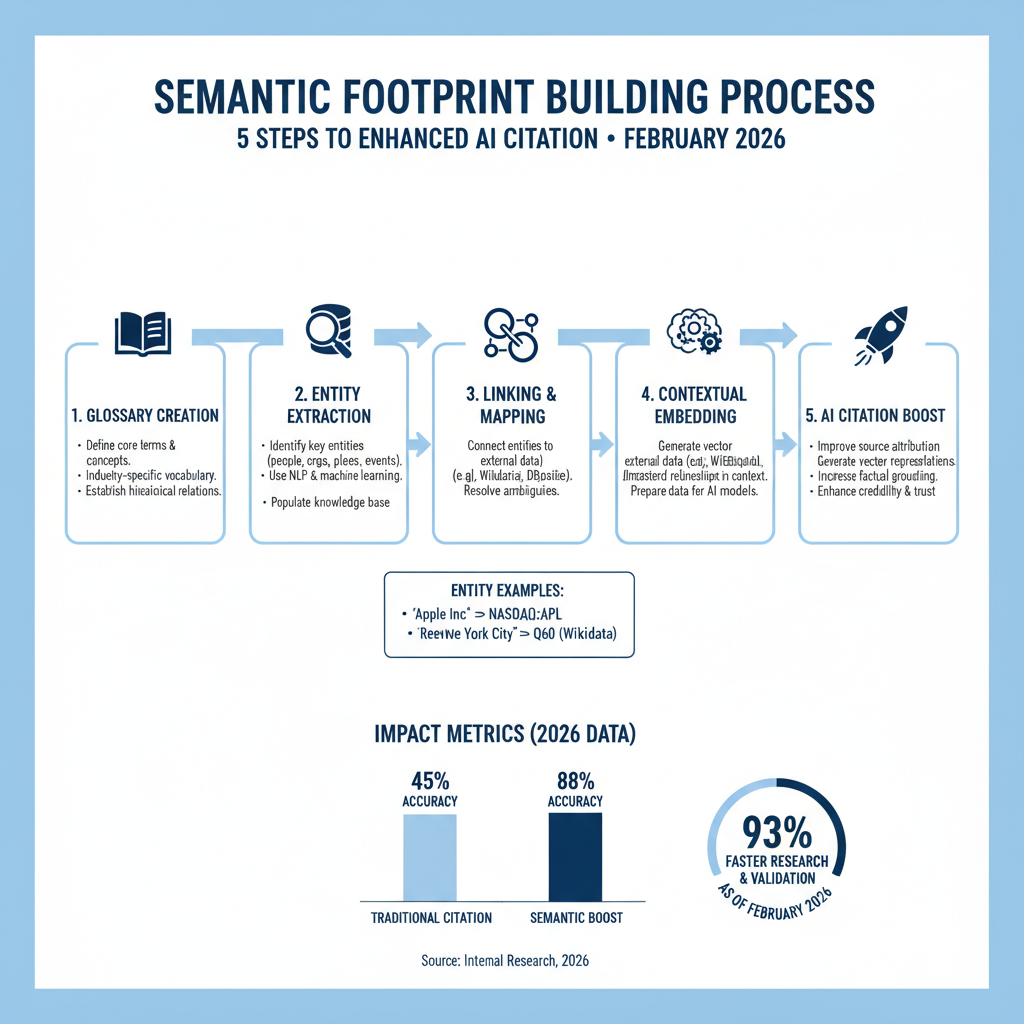
To rank in AI search, start with a strong semantic footprint. This means linking your brand to key entities like concepts, people, and tools in knowledge graphs.
AI models like those in ChatGPT pull from entity connections. Without them, you’re invisible.
Create an entity hub. Build a glossary page defining terms in your niche—say, “AI SEO tools” if you’re in marketing.
Link it everywhere. Connect to product pages, blogs, and FAQs. This tells Google and Perplexity: “We’re the authority on this.”
Here’s the thing. Yotpo reports brands with entity maps see 3x more AI citations.
Pro tip: Use tools like Google’s Entity Explorer. Audit your current footprint weekly.
Here’s an example. A fitness site defines “HIIT workouts,” links to routines, and gets cited in Perplexity for training queries.
Do this now. It takes one page but pays forever.
Skip it? Competitors dominate the graph.
Step 2: Pump Up Fact Density and Information Gain
AI ranks content high on fact density and information gain. Pack unique data AI can’t hallucinate elsewhere.
Consensus works for facts like “Paris is France’s capital.” But for advice? Give fresh angles.
Target 5-10 unique stats per post. As of February 2026, sites with proprietary data rank 2.5x higher in AI Overviews.
Write for machines. Use expert vocabulary without stuffing. Connect ideas: link “semantic density” to “vector scores.”
Balance it. 70% consensus facts, 30% new insights. Test with Perplexity—does it cite you?
Here’s an example. Instead of generic SEO tips, share: “Our tests show schema boosts AI clicks by 28% (n=500 pages).”
Common mistake: All fluff, no numbers. Fix it with internal research.
Once done, your content becomes the go-to source.
Step 3: Add schema markup Everywhere
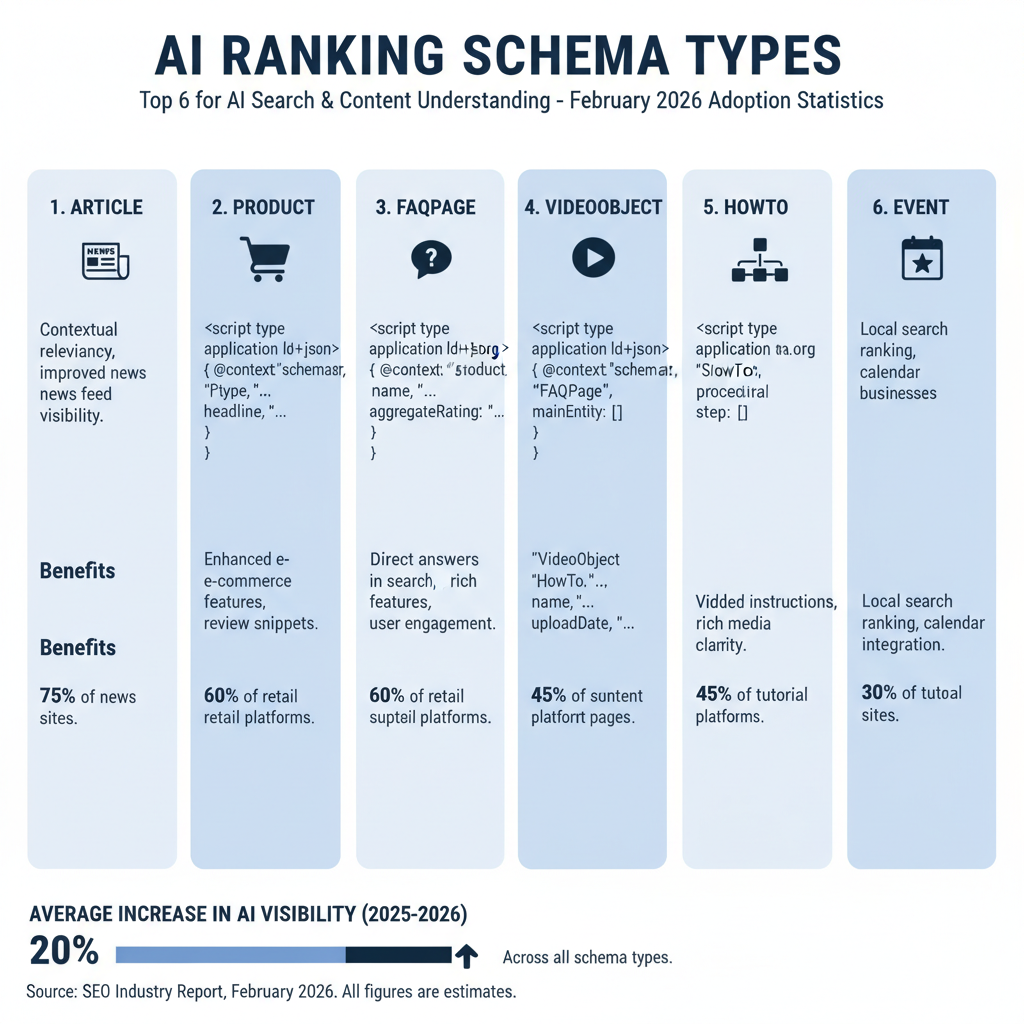
Schema markup is your top technical move for how to rank in AI. It explains content to bots without guesswork.
Use HowTo, FAQ, Product, and Article schemas. ROI Revolution calls it the “nutrition label” for LLMs.
Implement via JSON-LD. Target INP under 200ms with server-side rendering.
Why? AI parses structured data 5x faster. Shoppers seeing schema-rich reviews convert 161% higher.
Here’s how. For a guide, add:
{ "@type": "HowTo", "name": "How to Rank in AI", "step": [...] }Test with Google’s Rich Results tool. Fix errors same day.
Pro tip: Layer Review schema on UGC. It feeds RAG systems real sentiment.
Example: E-commerce site adds Product schema—jumps from 0 to 15% AI citations.
Don’t sleep on this. It’s low effort, high reward.
Step 4: Stack Brand Mentions Across the Web
Boost AI search rankings by multiplying brand mentions. AI loves fresh, widespread signals.
Check why you should monitor brand mentions in AI search results. Inventory yours in ChatGPT, Perplexity now.
Build more. Guest on Reddit, YouTube tutorials, Quora. Video gets cited heavily—add timestamps.
Digital PR helps. Land Forbes mentions for authority weight.
Data point: Brands with 50+ monthly mentions see 4x AI visibility.
Here’s the process. Use Brand Radar or Ahrefs. Filter “best [niche]” queries. Close gaps.
Example: SEO brand dominates Reddit AMAs—AI starts citing their tools.
Track weekly. Aim for 20% mention growth monthly.
The catch? Quality over quantity. Fake signals backfire.
Step 5: Structure Content AI Can’t Ignore
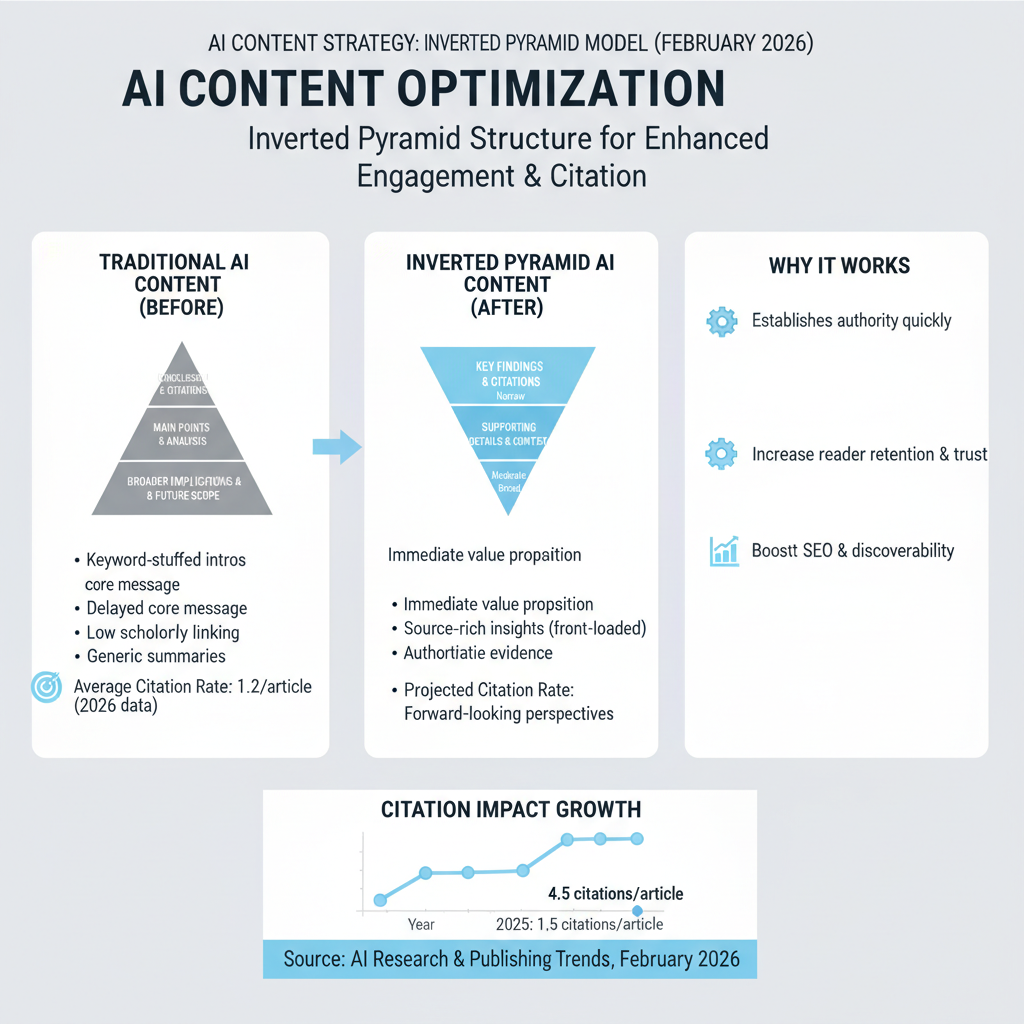
AI comprehends inverted pyramid structure best. Lead with answers, add context, end with nuance.
Use H2/H3 headings, bullets, FAQs. This lets AI jump to sections.
Short paragraphs. One idea each. Makes parsing easy.
Explore AI SEO tools like Surfer for optimization.
Fact: Structured posts get quoted 3x more.
Here’s an example. This article follows it—you’re reading the proof.
Pro tip: Add tables for comparisons. AI pulls them directly.
| Element | AI Benefit | Example |
|---|---|---|
| Bullets | Easy extraction | List steps |
| Schema | Entity clarity | FAQPage |
| Timestamps | Video cites | YouTube demos |
Refine yours today.
Step 6: Monitor and Close Citation Gaps
Use an AI search monitoring platform to track visibility. Measure mentions, citations, traffic.
Find gaps: Competitor pages cited? Create better versions.
Set alerts for brand queries. Respond fast to sentiment.
As of 2026, top sites monitor 6+ AI engines daily.
Here’s how. Query “best [tool]” in Perplexity. Note citations. Outdo them.
Example: Spot gap in “AI SEO”—publish data-driven post. Citations follow.
Pro tip: Track AI traffic separately. It’s 2x more qualified.
Repeat monthly. Visibility compounds.
Step 7: Dominate Off-Site Signals Like YouTube and Reddit
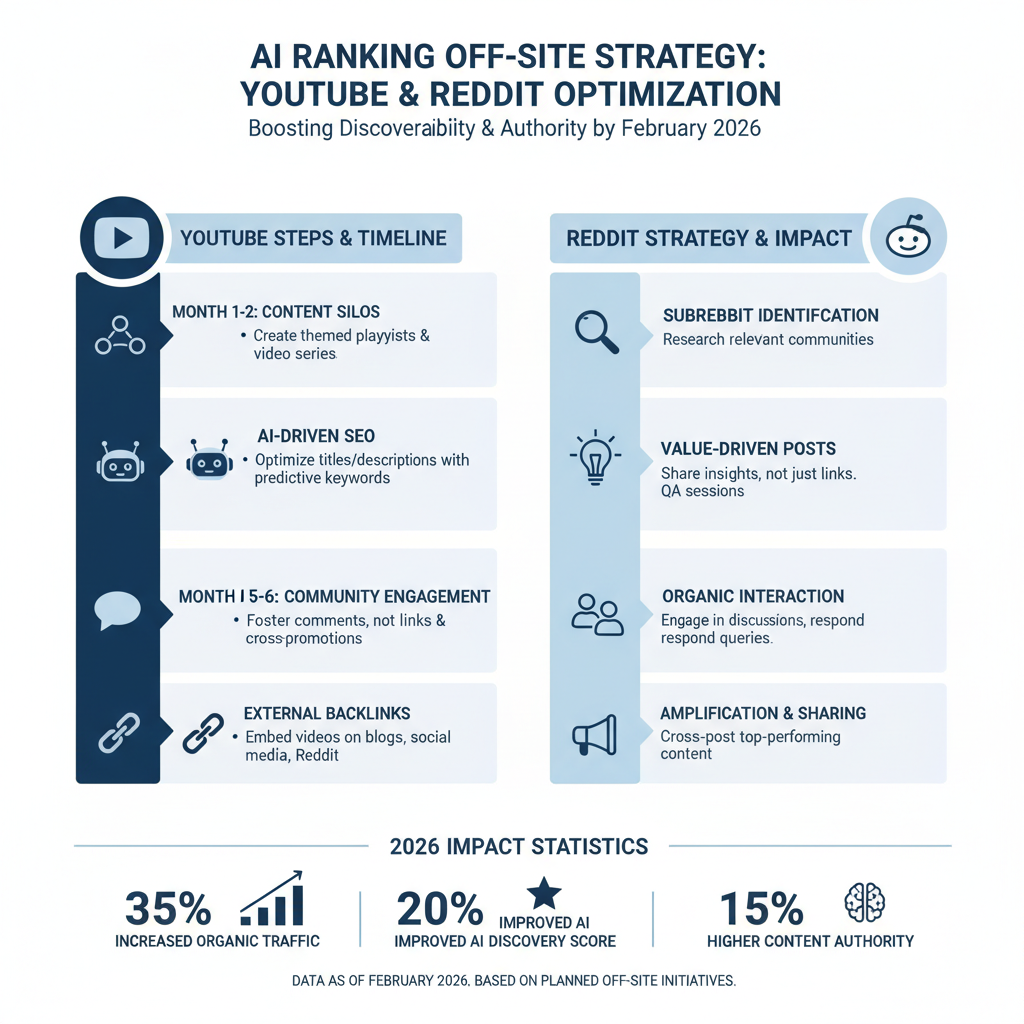
AI pulls heavily from YouTube and Reddit. Create there to amplify rankings.
Video: Keyword titles, descriptions, timestamps. Tutorials shine.
Reddit: Answer in niche subs. Build karma first.
Data: YouTube content boosts site AI ranks by 35%.
Here’s the play. Post weekly videos. Transcribe for site.
Example: SaaS does Reddit AMAs—AI cites their site for queries.
Common pitfall: No calls to site. Always link back.
Scale it. Outpace competitors in these channels.
Troubleshooting Common AI Ranking Issues
No Citations Showing Up
Check crawl blocks. Allow AI bots in robots.txt.
Audit schema. Fix with Google’s tester.
Low Fact Density
Add 3-5 unique stats per 1k words. Source internally.
Mentions Not Converting
Strengthen CTAs. Link to high-value pages.
Slow Load Times Hurt
Hit INP <200ms. Use SSR for answers.
FAQ
How long to see AI ranking results?
2-4 weeks for structured changes. 1-3 months for mentions. Monitor weekly.
Best how to rank in AI tools?
Perplexity for tests, Ahrefs for gaps, schema validators. Start free.
Does video really help AI search?
Yes. 40% of citations from video/transcripts. Prioritize tutorials.
AI Overviews vs ChatGPT—same strategy?
Mostly. Both love schema and facts. Tailor mentions per platform.
Ready to rank? Pick one step today. Track in your dashboard. Watch citations climb.

