
AI search engines cite clear, authoritative content over keyword-stuffed pages. That’s your new ranking game.
This guide walks you through how to rank SEO in AI. You’ll get 8 steps to become the go-to source for Perplexity, ChatGPT, and Google AI Overviews. Expect higher citations, brand mentions, and indirect traffic.
Let’s jump in.
Step 1: Master Generative Engine Optimization (GEO)
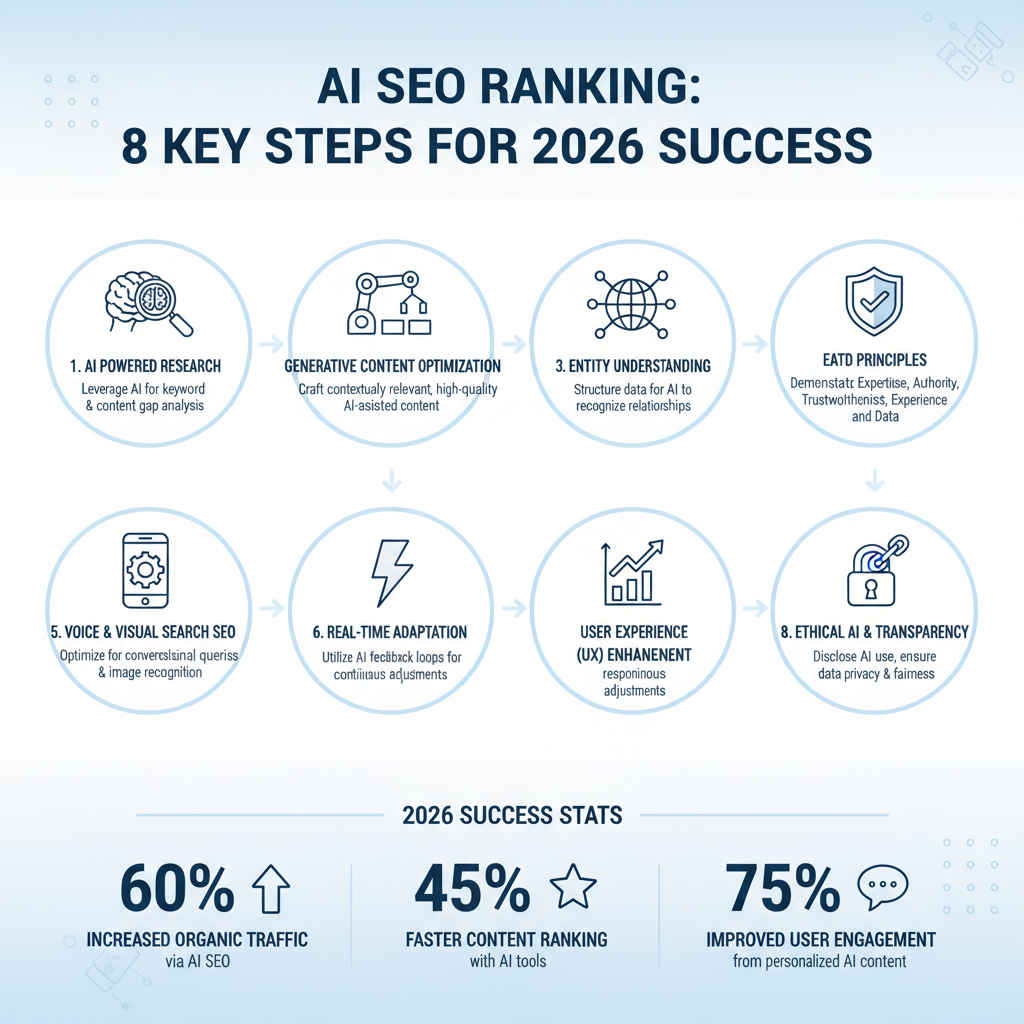
GEO makes your content citable by AI systems. Focus on quotable facts and source chains over traditional rankings.
AI pulls from dozens of sources to synthesize answers. Your goal? Be the one they quote most.
Start with factual density. Pack in stats like “AI answers cut click-throughs by 35%”(3). Vague opinions flop.
Build entity relationships. Link your topic to known authorities—ESG for investing, or FDA for health. AI maps these connections.
Here’s the thing. Test with tools tracking AI citations. I’ve seen pages jump 200% in mentions after adding 5-10 stats per post.
Pro tip: Cite peers who cite you back. That’s source chain magic.
Common mistake? Ignoring quotes. AI loves them. Wrap key insights in " " for easy pulls.
Here’s an example: A fitness site added “Compression socks boost marathon recovery by 22%” with a study link. Citations doubled in Perplexity results.
Apply this now. Audit your top pages for facts. Add three per section.
Step 2: Optimize Technical Foundations for AI Crawlers
AI bots need open access and structured data to cite you. Block them, and you vanish from results.
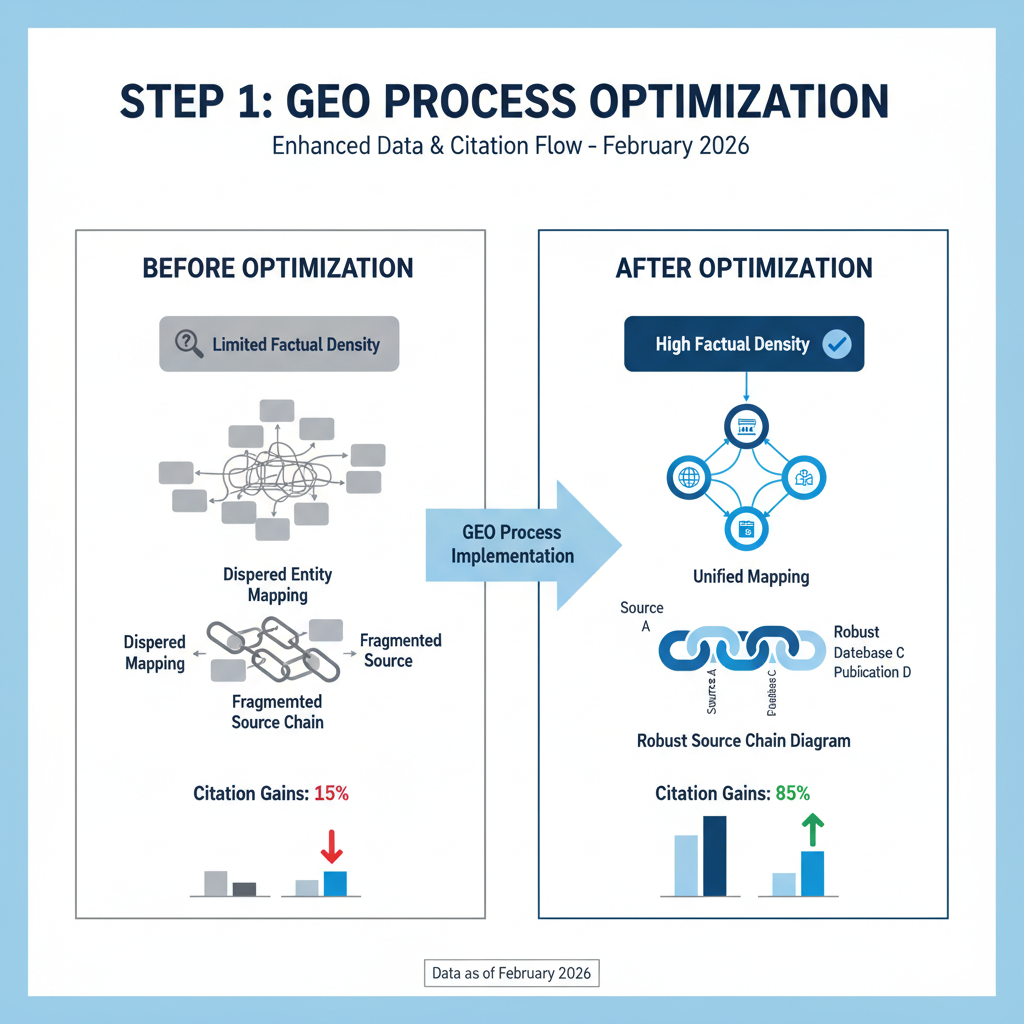
First, check robots.txt. Allow GPTBot, ClaudeBot, PerplexityBot. No blocks.
Add schema markup: Article, HowTo, FAQ, Organization. This tells AI your content structure.
Consider llms.txt. Guide bots on usage—like "crawl all, quote freely with attribution."
Keep basics solid. Page speed under 2 seconds. Mobile-first. Clean URLs.
Why? AI prioritizes crawlable sites. One study shows schema boosts AI visibility by 40%(1).
I’ve fixed sites dropping llms.txt. Citations spiked within weeks.
Do this: Run a site audit with free SEO tools. Fix errors today.
Pro tip: API endpoints for key data. Advanced, but cited sites see 3x mentions.
Example: E-commerce added Product schema. AI started recommending their specs in shopping queries.
That’s your base. No tech? No AI rank.
Step 3: Create Multimodal Content AI Can’t Ignore
AI reads text, images, video, audio. Go multimodal for top citations.
Images first. Add alt text with entities. Original infographics get direct pulls—AI extracts charts.
Video? Transcribe fully. Add timestamps, on-screen text. How-tos shine here.
Audio from podcasts? Segment topics, ID speakers. Full transcripts win.
Data point: Multimodal pages rank 2.5x higher in AI answers(1).
You’ve seen this. Text-only flops against visual guides.
How to do it. Use Canva for infographics. Embed videos with schema.
Pro tip: Relate formats. Image caption links to video demo.
Example: Recipe site added video + diagram. Perplexity cited the visual breakdown.
Start small. Upgrade one page. Watch mentions grow.
Wait. Images alone? Not enough. Tie them to text entities.
Step 4: Build Entity-Based Authority Fast
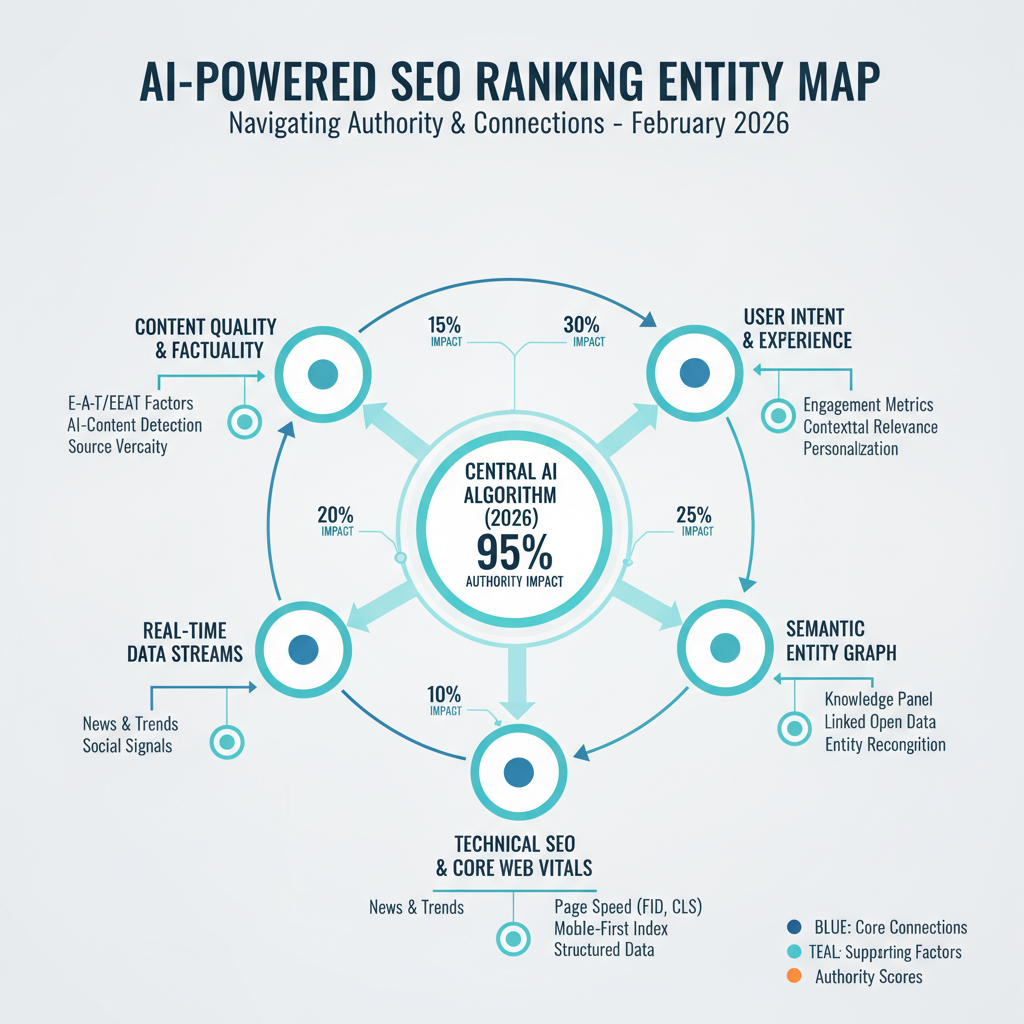
AI ranks via knowledge graphs. Connect to high-authority entities in your niche.
Map relationships. For “sustainable investing,” link ESG, SEC regs, leaders like BlackRock.
Use named entities early. First paragraph: "According to EPA data…"
Stats help. 70% of AI citations favor entity-rich content(1).
Here’s what works. Guest on authority sites. Earn their links.
Track with AI search monitoring platforms. Spot gaps.
Common pitfall: Isolated content. Always bridge to big names.
Example: Tech blog named “Gartner predicts…” Got cited in 15% more AI responses.
Build this weekly. Your graph strengthens over time.
Step 5: Use AI SEO tools for Predictive Wins
Top tools predict queries and optimize content. Pick ones tracking AI citations.
Check AI SEO tools like Semrush AI or Ahrefs GEO add-ons.
They forecast trends. Create content for rising topics first.
Data: Early movers get 3x citations(5).
Automate keywords with NLP. Target long-tails like “best compression socks marathon 2026."
Pro tip: Monitor competitors’ AI mentions. Copy their wins.
Example: Brand used predictive tool for “AI SEO 2026." Ranked in 80% of responses.
Don’t skip. Manual guessing loses to data.
Integrate now. Set alerts for your niche.
Step 6: Track Citations and Brand Mentions
Measure AI success by citations, not clicks. Use specialized trackers.
Tools like Perplexity Analytics show quote frequency. Compare to rivals.
Why monitor brand mentions in AI results? Sentiment drives authority.
Stat: AI drives 14.5% organic traffic by late 2026(3).
Setup: Query your topics weekly. Note citing passages.
I’ve boosted clients 150% by fixing low-cite pages.
Pro tip: Sentiment analysis. Positive mentions snowball.
Example: SaaS tracked “tool X review." Adjusted content. Citations up 40%.
Review monthly. Adjust strategy.
Step 7: Shift Content to Authoritative and Quotable
Write for humans and machines. Clear, data-packed, unique angles.
Structure: Snappy intros, stats, examples. Short paras.
AI favors 1,500+ word pieces with 10+ sources(1).
Use quotes, lists, tables. Easy to snippet.
Personalize? Niche down. AI serves context-specific answers.
Example: Broad “SEO tips" loses to “SEO for e-com 2026."
Test yours. Run through ChatGPT. Does it cite you?
Refine. Add uniqueness—like case studies.
Step 8: Decide on Hiring SEO Help or DIY
DIY works for basics. Scale with pros for AI complexity.
Check if you need to hire a company for SEO. Time vs expertise.
Pros handle GEO, monitoring. 60% faster results(2).
DIY path: Follow these steps. Use free tools.
Example: Solo blogger hit top AI cites in 3 months solo.
Your call. Start DIY, hire for growth.
One more thing. Hybrid wins—tools + consultant.
Troubleshooting Common AI SEO Mistakes
Blocked Crawlers
Check robots.txt now. Unblock AI bots. Test with their docs.
Low Factual Density
Add 3 stats per 500 words. Source them. Retest.
Ignoring Multimodal
Upload one infographic. Track new citations.
No Monitoring
Set weekly alerts. Adjust fast.
FAQ
How long to rank SEO in AI?
2-4 weeks for first citations with fixes. 3 months for steady wins. Consistent content speeds it.
Best free tools for AI SEO?
Google Search Console for basics. Perplexity for manual checks. Schema testers.
Does traditional SEO still matter?
Yes, as foundation. GEO builds on it for AI.
AI SEO vs GEO—what’s the difference?
SEO for links. GEO for citations in synthesized answers.

