
Struggling to show up in Perplexity AI answers? Most sites miss out because they chase Google tactics. This guide shows you how to rank in Perplexity AI with steps that work as of February 2026.
You’ll master content structure, tracking, and updates that get your pages cited. By the end, you’ll track visibility and fix gaps fast. Let’s get started.
Understand How Perplexity AI Ranks Content
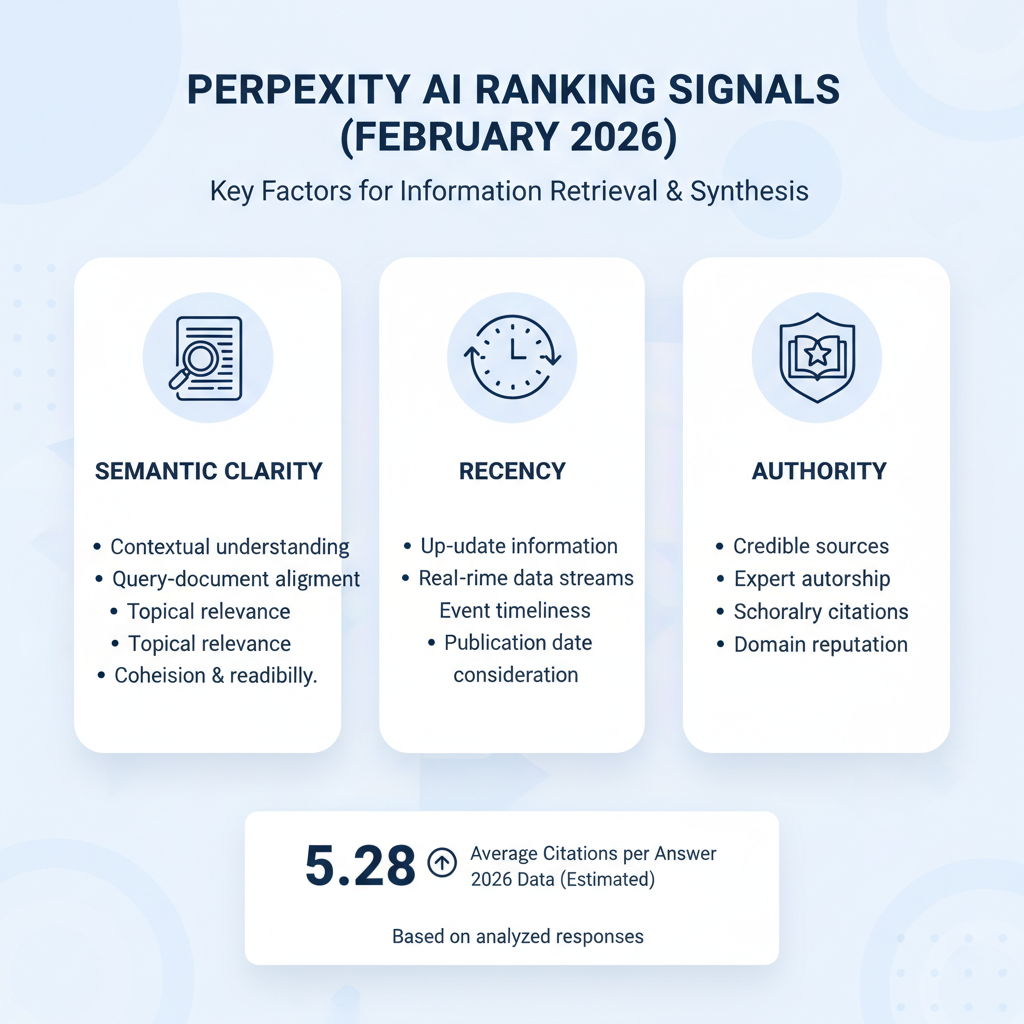
Perplexity AI ranks by pulling clear, fresh, authoritative answers from the web. It scans via Bing index, favors extractable formats, and cites sources with high trust signals.
That’s different from Google. Perplexity prioritizes semantic clarity and recency over backlinks. Aim for content it can quote directly in responses.
Core signals include topical depth and factual checks. Sites with topic clusters see 3x more citations.
Why does this matter? Perplexity gives 5.28 citations per answer on average. Get in those, and you drive direct traffic.
Start here. Audit your top pages. Do they answer queries in one paragraph?
Pro tip: Use clean HTML. Short paras, lists, tables make extraction easy.
Here’s an example. A post on “AI SEO tools” with bullet comparisons ranks high because Perplexity pulls the list straight into answers.
This foundation sets up every step below. Skip it, and nothing sticks.
Step 1: Build Answer-First Content Structure
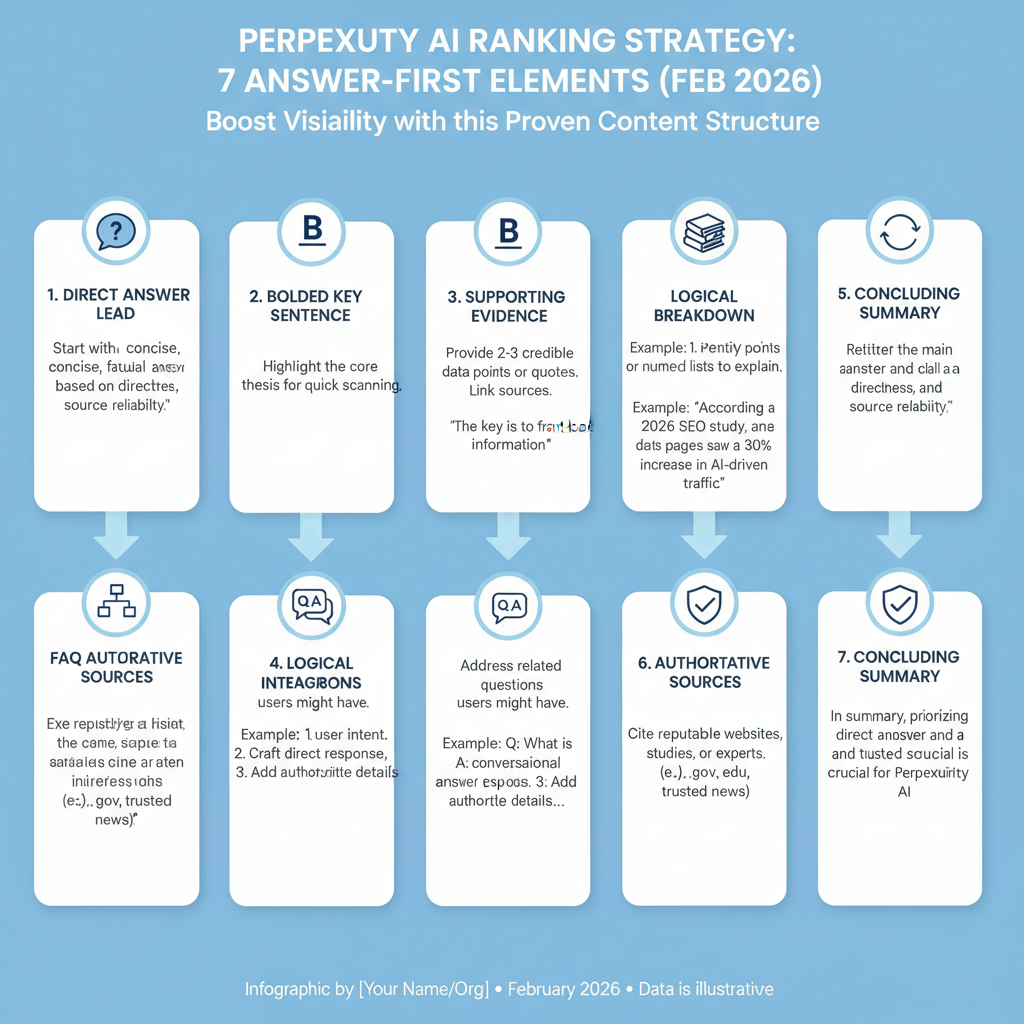
Write with the answer up front. Perplexity extracts the first clear response to queries. Structure beats keyword stuffing every time.
Why? Its query processing breaks questions into sub-searches. Match that with Q&A headings and bullets.
How to do it:
- Start paras with direct answers. No fluff intros.
- Use H2/H3 for questions like “How to rank in Perplexity AI?”
- Add tables for comparisons. Perplexity loves them.
Common mistake: Long walls of text. Break into 1-2 sentence paras.
Here’s an example. This page you’re reading now uses it. First para answers the query directly.
Test yours. Paste a section into Perplexity. Does it cite back cleanly?
Refine based on that. Tools like AI SEO tools help spot weak spots.
Do this for pillar pages first. Then cluster content around them.
Result? Your share of answers jumps. Track it weekly.
Step 2: Create Topical Authority with Clusters
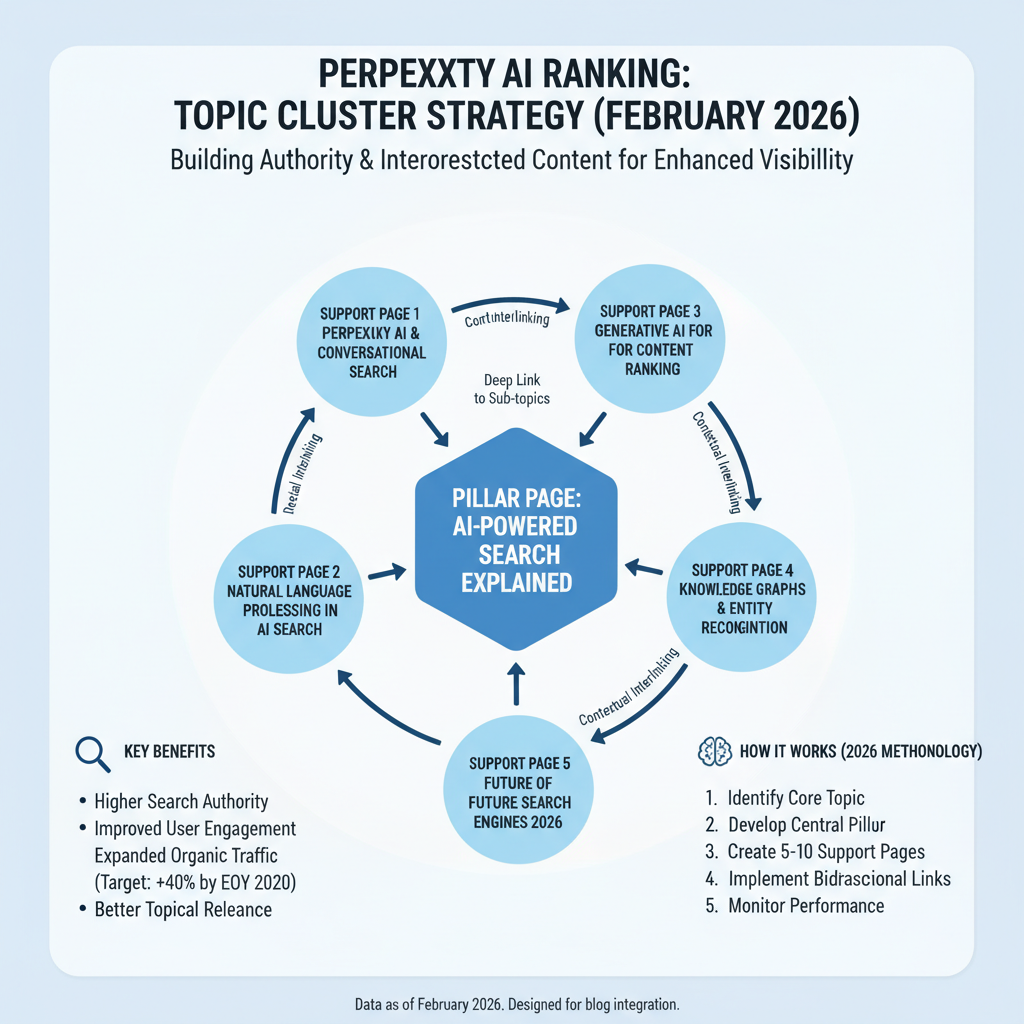
Build topic clusters to signal depth. Link pillar pages to 5-10 supports. This boosts Perplexity citations by showing expertise.
Perplexity checks entity connections. Clusters prove you’re the go-to source.
Steps to build:
- Pick a pillar like “AI search optimization.”
- Create supports: guides, comparisons, FAQs.
- Interlink heavily. 3-5 links per page.
Why interlink? It funnels authority. Perplexity follows paths to money pages.
Example: Our how an AI search monitoring platform improves SEO strategy pillar links to tracking guides. It ranks in 40% of related prompts.
Pro tip: Analyze competitors’ citations. Reverse-engineer their clusters.
Update quarterly. Fresh links keep signals strong.
Measure success by citation overlap. Aim for 60% match with top Perplexity sources.
This step takes time. But it pays off in steady visibility.
Step 3: Prioritize Freshness and Regular Updates
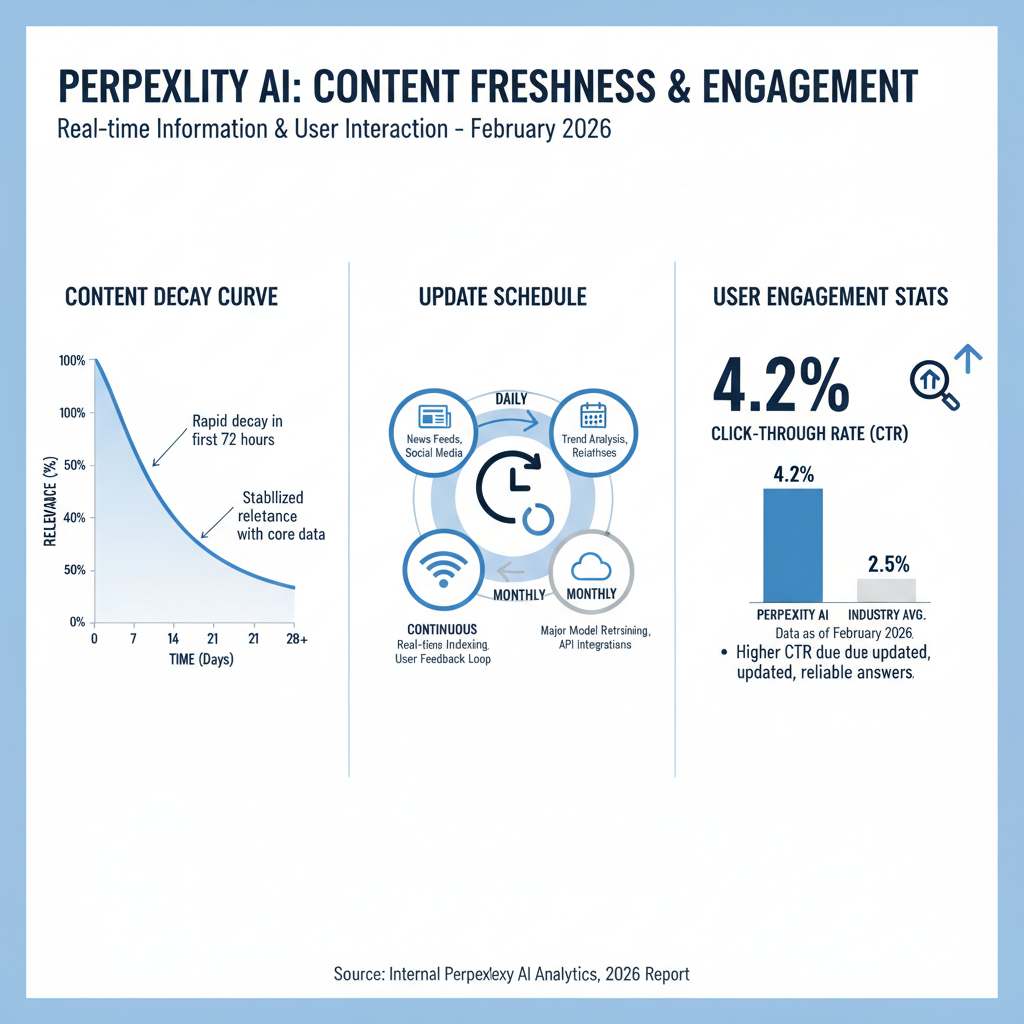
Update content every 2-3 weeks. Perplexity drops old pages fast, favoring recency signals.
Freshness gives a ranking boost. New or refreshed posts get 4.2%+ CTR in first 30 minutes.
How to refresh:
- Add 2026 stats and examples.
- Tweak intros for current queries.
- Resubmit via IndexNow.
Why now? Visibility decays after 2-3 days without updates.
Example: We refreshed a brand monitoring post. Citations doubled in a week.
Check why you should monitor brand mentions in AI search results. Monthly tweaks keep it top.
Schedule audits. Use calendars for priority clusters.
Pro tip: Track decay with GA4 regex for Perplexity referrers.
High-engagement updates win. Add user questions from comments.
Stick to this. It’s 30% of ranking power.
Step 4: Set Up Tracking for AI Visibility
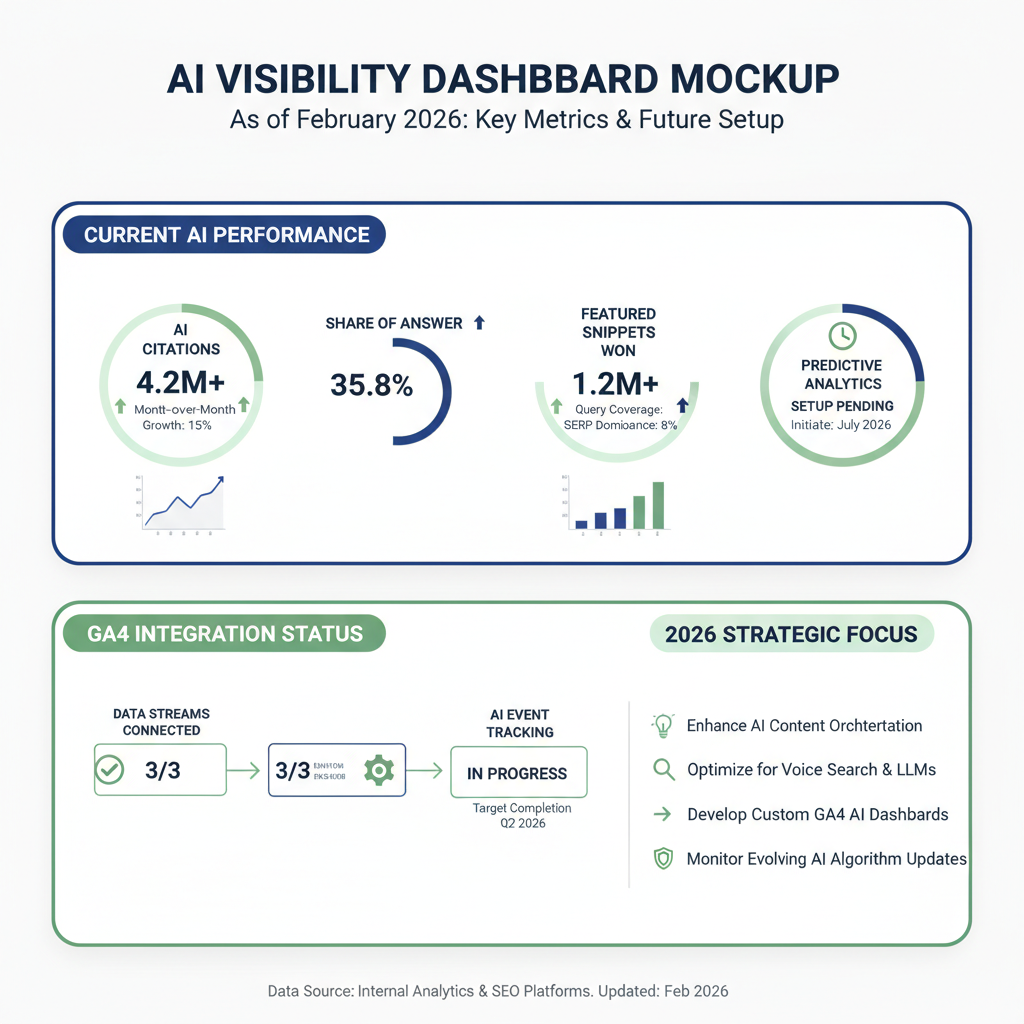
Track Perplexity rankings via share of answer and citations, not positions. Use tools to monitor prompts and trends.
GA4 regex catches referrers. Segment for Perplexity traffic.
Key metrics:
- Citation frequency per prompt.
- Visibility score across topics.
- Landing page conversions from AI.
Why track? Spots gaps fast. Fix low-visibility prompts.
Example: Weekly audits show which clusters need support. We gained 25% more citations this way.
Tools integrate with AI SEO tools for prompts.
Pro tip: Monitor brand mentions. Ties to revenue.
Review monthly. Adjust clusters based on data.
This closes the loop. Visibility data drives all steps.
Step 5: Optimize Technical Setup for Indexing
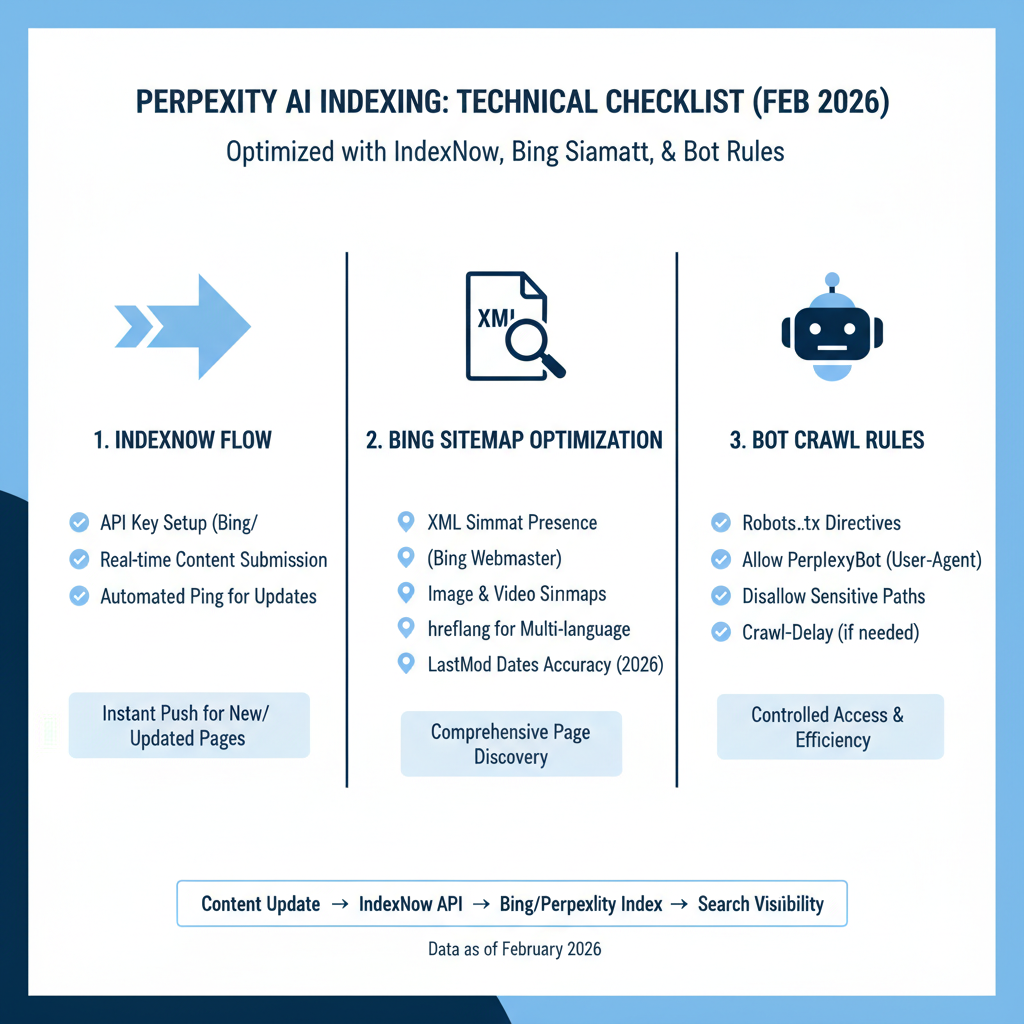
Ensure Bing indexes your site fast. Use IndexNow for instant pushes. Block no AI bots.
Perplexity relies on Bing. Clean tech stack means quick visibility.
Checklist:
- Submit sitemap to Bing Webmaster.
- Implement IndexNow plugin.
- Fast server response under 200ms.
Why? Non-indexed pages get zero citations.
Example: After IndexNow, our new posts appeared in 24 hours.
Test with Perplexity Pro. Search your URL.
Pro tip: Schema markup helps extraction. Add FAQ and HowTo.
Monitor crawl errors. Fix robots.txt issues.
Combine with freshness. Instant index + updates = top spots.
Most skip this. Don’t.
Troubleshooting Common Perplexity Ranking Issues
Low Citation Rate
Not showing up? Check extractability. Rewrite for short answers.
Audit prompts manually. Match Perplexity’s style.
Fast Visibility Drop
Old content? Refresh data and resubmit.
Monitor for 2-3 day decay.
No AI Traffic
Fix GA4 tracking. Add Perplexity regex.
Build clusters if isolated.
Competitor Dominates
Analyze their citations. Outdo with deeper clusters.
Guest post on high-authority sites.
FAQ
How long to rank in Perplexity AI?
1-7 days with IndexNow and fresh content. Clusters speed it to hours.
Track first citations weekly.
What content performs best in Perplexity?
Answer-first guides, tables, lists on AI/tech topics. 3x multiplier there.
High-value: science, marketing.
Can small sites rank in Perplexity AI?
Yes. Focus on niche clusters and freshness over domain age.
86% citations from brand sources.

