Boost SEO with AI Search Monitoring Tools
I’m going to show you exactly how an AI search monitoring platform can transform your SEO strategy.
Here’s the thing.
Search is changing faster than most people realize.
By 2027, 90 million Americans will use AI for search. Google’s market share has dropped below 90% for the first time since 2015. And ChatGPT now holds over 80% of the AI search engine market.
That’s a massive shift.
And it creates a huge blind spot for businesses relying only on traditional SEO metrics.
Your pages might rank great on Google. But are they getting cited by AI platforms where your customers actually search?
That’s exactly what I’m going to cover in this guide.
Let’s dive in.
How Can an AI Search Monitoring Platform Improve SEO Strategy
![Simple diagram showing AI search monitoring platform connecting to multiple AI engines like ChatGPT, Perplexity, Gemini, Claude, Google AI Overviews]](https://thebilliongame.com/wp-content/uploads/2026/01/Simple-diagram-showing-AI-search-monitoring-platform-connecting-to-multiple-AI-engines-like-ChatGPT-Perplexity-Gemini-Claude-Google-AI-Overviews.jpg)
First, let me explain what an AI search monitoring platform actually does.
In simple terms, it tracks your brand’s presence across AI-powered search engines.
See, traditional SEO tools focus on Google rankings. They tell you where your pages show up in the blue link results.
But AI search monitoring platforms do something different.
They monitor how AI systems mention, cite, and describe your brand. They capture data from ChatGPT, Perplexity, Google AI Overviews, Gemini, Claude, and other AI answer engines.
The way it works is pretty straightforward.
These tools send prompts to AI platforms, record the responses, and analyze whether your brand appears. They also check how it appears and what sources the AI cites.
Pretty cool, right?
Why Traditional SEO Tools Fall Short
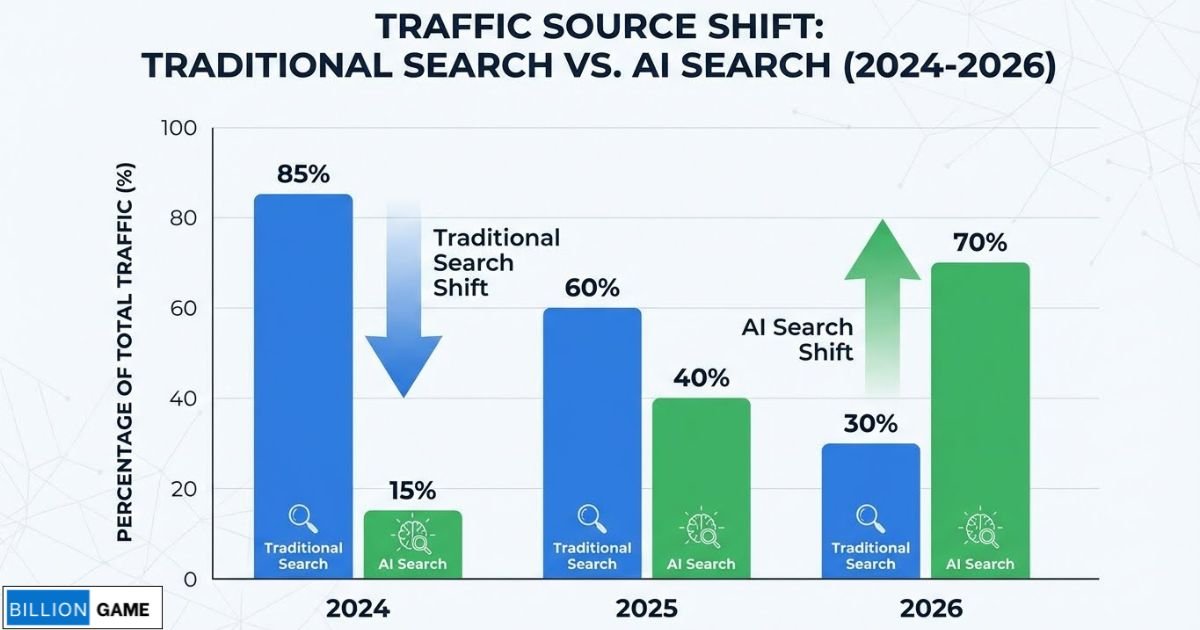
Here’s something most SEOs don’t realize.
Traditional rank tracking only tells part of the story now.
Why?
Because AI search works completely differently from traditional search.
Instead of listing ten links, AI engines pull information from multiple sources and present a single answer. Users get what they need without clicking through to any website.
And the numbers back this up.
E-commerce sites have reported a 22% drop in search traffic because AI-generated suggestions are replacing traditional clicks.
News publishers saw organic visits drop from 2.3 billion to under 1.7 billion between mid-2024 and May 2025.
That’s huge.
Your content might rank number one on Google but never get cited in AI answers.
And without AI-specific monitoring, you can’t even see this gap.
Key Features to Look For
![Visual breakdown of 5 key features with icons]](https://thebilliongame.com/wp-content/uploads/2026/01/Visual-breakdown-of-5-key-features-with-icons.jpg)
Now, let me walk you through the features that actually matter.
1) Brand Visibility Score
This is your core metric.
It shows how often your brand appears in AI-generated answers.
Here’s how it works.
If you test 100 high-intent prompts and your brand appears in 22 responses, your visibility score is 22%.
Higher scores mean greater exposure during those critical moments when potential customers ask AI for recommendations.
2) Citation Tracking
This one’s important.
AI platforms pull information from various sources to generate their answers. Citation tracking reveals which websites AI engines trust and reference when discussing topics related to your business.
Once you understand these citation patterns, you can focus your content efforts on sources that actually influence AI outputs.
Sentiment Analysis
Here’s something most people overlook.
Not all brand mentions are positive.
AI search monitoring platforms analyze whether your mentions are favorable, neutral, or negative.
Think about it.
A brand might appear frequently in AI answers but get positioned as a secondary option. Or worse, it might get warned against.
You need to know this.
Competitor Monitoring
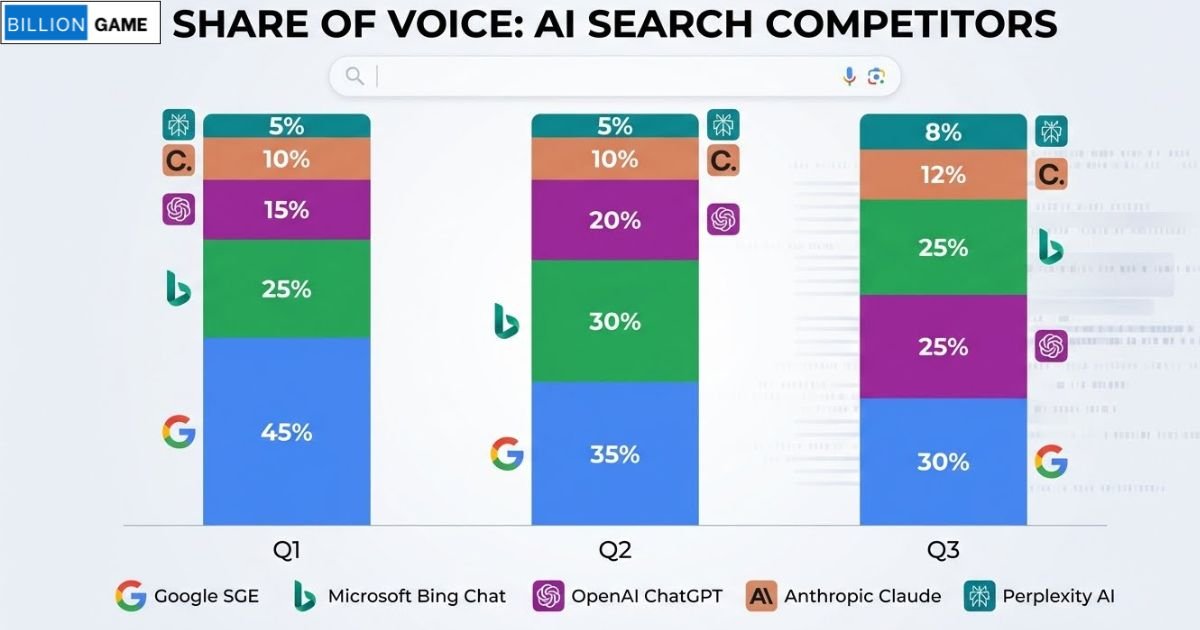
This is where things get interesting.
These platforms track how your competitors appear in the same AI responses.
You might discover a competitor dominates AI answers for queries you assumed you owned.
Or you might find gaps where neither you nor your competitors appear. That’s an opportunity to capture visibility first.
Cross-Platform Coverage
Here’s a critical point.
Each AI platform returns different results.
A brand might rank first in Gemini recommendations, be absent from ChatGPT, and appear miscategorized in Perplexity. All in the same week.
That’s why comprehensive monitoring across all major AI engines is essential.
The Direct Impact on Your SEO Strategy
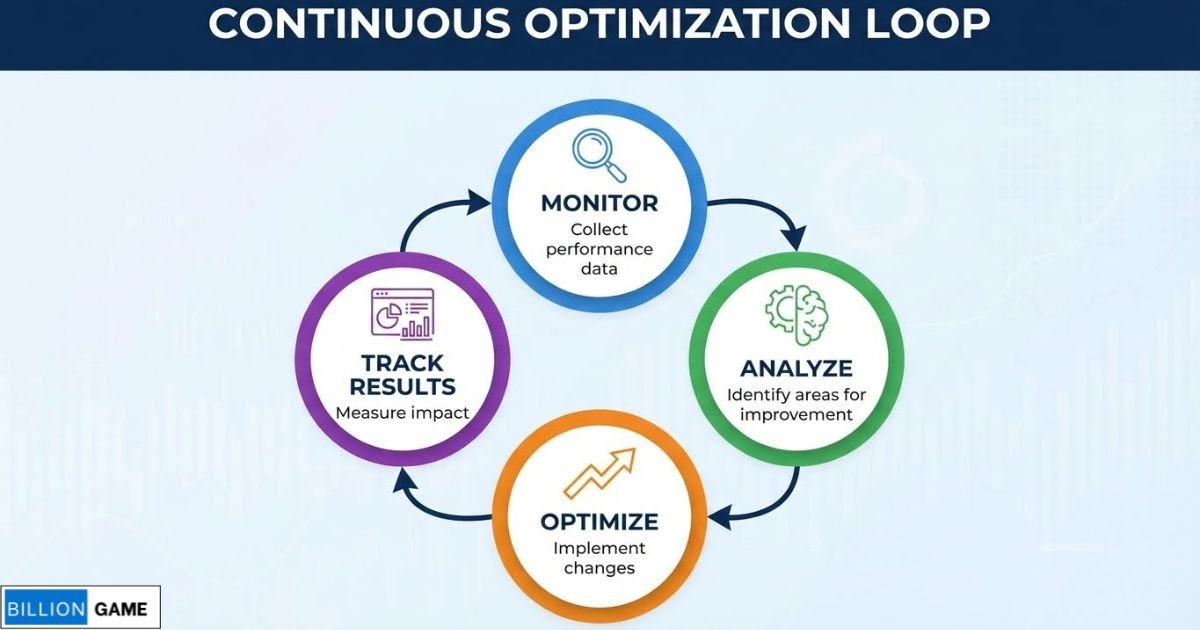
Now let’s get to the good stuff.
Here’s exactly how AI search monitoring improves your SEO.
It Identifies Content Gaps
Monitoring reveals which queries trigger AI responses about your industry where your brand is missing.
If competitors consistently appear for specific prompts while your brand doesn’t, you’ve got a clear target for content development.
And here’s what the data shows.
Strategic content modifications can increase AI visibility by up to 40%.
That’s a significant lift.
It Reveals Citation Sources
This is fascinating.
AI platforms cite certain sources way more than others.
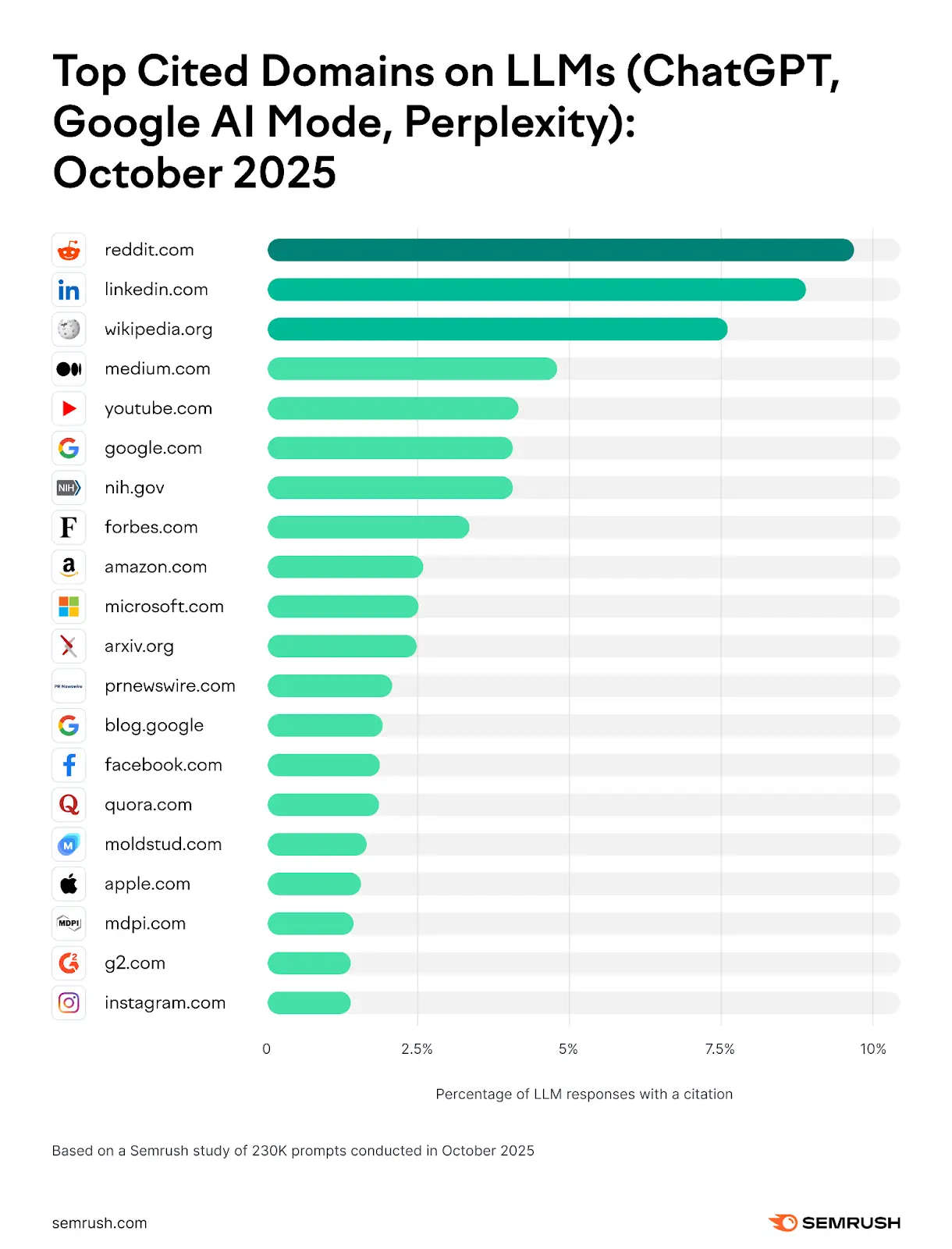
Check out these numbers from Semrush’s October 2025 study of 230K prompts across ChatGPT, Google AI Mode, and Perplexity.
Reddit leads the pack at nearly 10% of all LLM responses with a citation.
LinkedIn follows closely at around 9%.
Wikipedia takes third at roughly 7%.
Then you’ve got Medium, YouTube, and Google’s own properties hovering around 3-4%.
Even platforms like Quora, G2, and Instagram crack the top 20 most-cited domains.
Here’s what this means for you.
If you’re in B2B, LinkedIn’s strong showing is huge. Your posts, articles, and company page content can directly influence AI responses.
For community-driven topics, Reddit’s dominance signals where authentic discussions carry weight with AI systems.
Knowing which sources AI trusts helps you prioritize where to build presence beyond your own website.
Don’t just optimize your site.
Build visibility where AI actually pulls its answers from.
It Connects Visibility to Business Outcomes
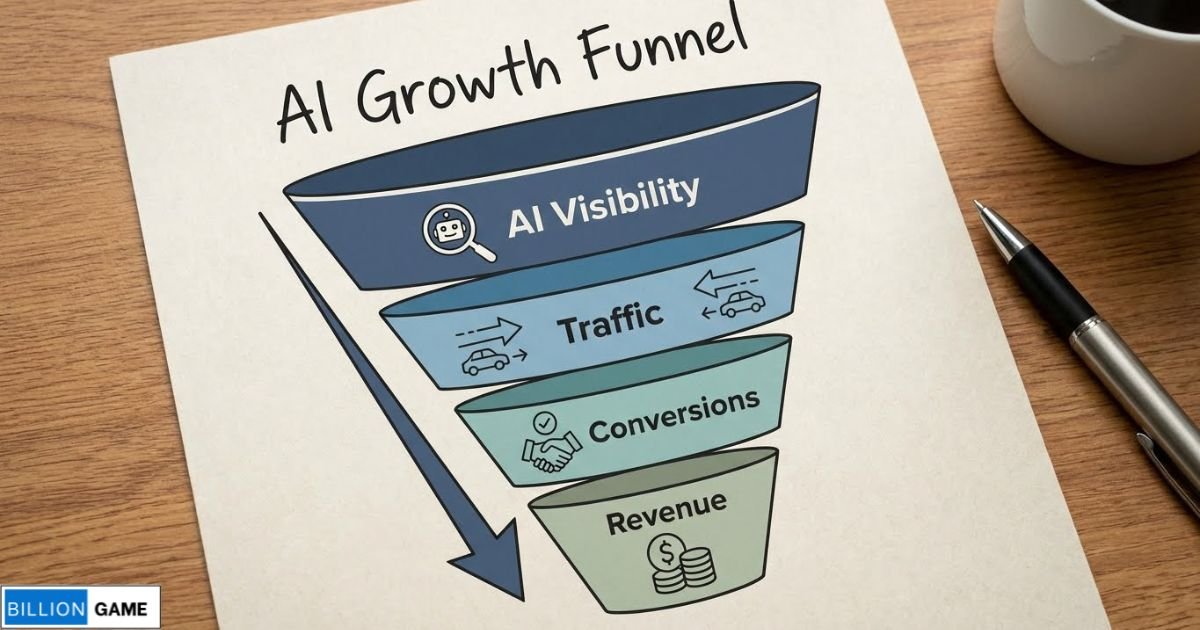
Here’s where it gets really valuable.
Advanced AI monitoring platforms link visibility data to actual business metrics.
You can track whether AI-sourced visitors convert differently from organic search visitors.
This connection helps prove ROI to leadership and justify continued investment in AI optimization.
It Enables Proactive Reputation Management
One more thing.
AI responses can spread misinformation about your brand.
Some monitoring platforms include hallucination detection. This flags when AI makes incorrect statements about your products or services.
Early detection lets you address inaccuracies before they spread.
The GEO Connection
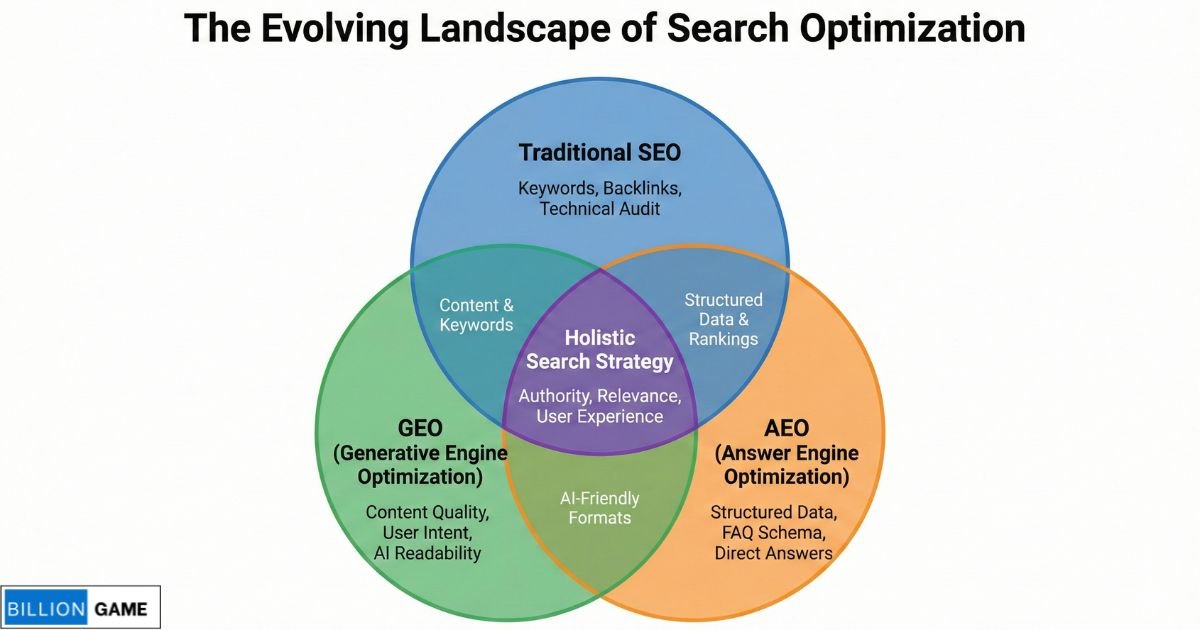
You’ve probably heard of Generative Engine Optimization by now. Most people call it GEO.
It’s become a critical practice alongside traditional SEO.
Here’s what the data shows.
63% of marketers now prioritize generative search optimization in their content strategies.
GEO focuses on optimizing content specifically for AI systems rather than traditional search engines.
And here’s the key insight.
AI search monitoring provides the data foundation for GEO efforts.
Without visibility tracking, you can’t measure whether your optimization changes actually improve your presence in AI answers.
The relationship works both ways, too.
Strong traditional SEO foundations like clean technical structure, quality content, and proper schema markup improve AI visibility.
Technical SEO makes your content machine-readable for AI crawlers and answer systems.
So it’s not either or. It’s working together.
Metrics That Actually Matter
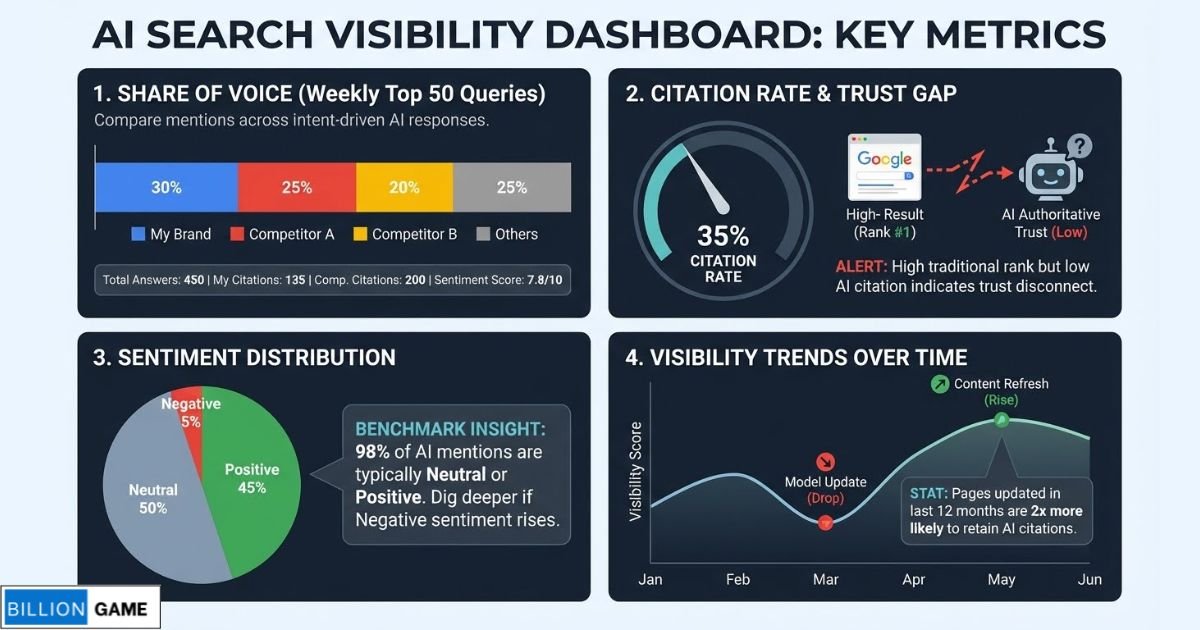
Let me break down what you should actually track.
Share of Voice
This measures your brand mentions compared to competitor mentions across AI responses.
My recommendation?
Track this weekly for your top 50 intent-driven queries. Compare total answers, your citations, competitor citations, and sentiment scores.
Citation Rate
This is the percentage of AI answers that cite your brand or link to your content.
Here’s what to watch for.
Low citation rates despite high traditional rankings indicate a disconnect. It means what ranks on Google isn’t what AI platforms trust as authoritative.
Sentiment Distribution
Track whether your mentions are positive, neutral, or negative.
Here’s some good news.
98% of brand mentions in AI answers have neutral or positive sentiment.
If your brand shows higher negative sentiment, dig in. Investigate which content or external sources might be influencing AI perception.
Visibility Trends Over Time
AI responses change as models update their training data.
Here’s an important stat.
Pages updated within the past 12 months are twice as likely to retain AI citations.
Monitor visibility shifts to catch drops early and identify when content refreshes are needed.
How to Get Started
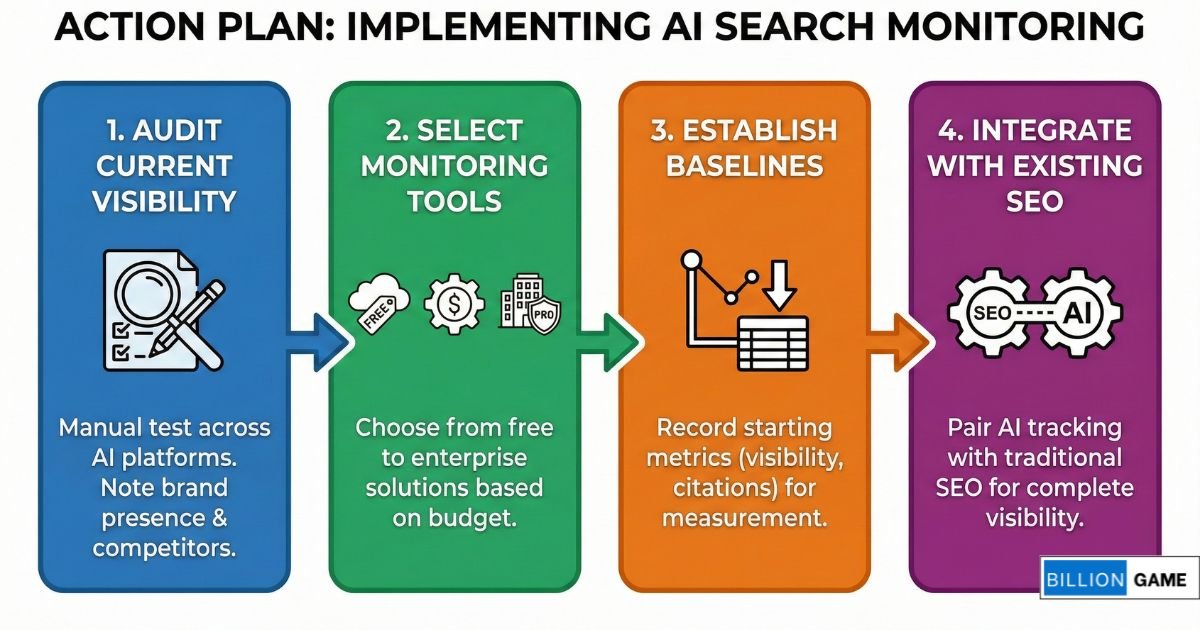
Ready to implement this? Here’s your action plan.
Step 1: Audit Your Current Visibility
Before choosing any tools, do this manually.
Test prompts across different AI platforms yourself.
Ask ChatGPT, Perplexity, and Google AI Mode questions your customers would ask. Note whether your brand appears, how it appears, and which competitors show up instead.
This takes maybe an hour. And it’s incredibly eye-opening.
Step 2: Select Your Monitoring Tools
Options range from free entry points to enterprise solutions.
Free tools provide basic visibility benchmarks. Mid-tier platforms offer ongoing monitoring for small teams. Enterprise solutions add governance, multi-region support, and custom integrations.
Start where it makes sense for your budget.
Step 3: Establish Baselines
This step is crucial.
Record your starting metrics before making any optimization changes.
Document visibility scores, citation rates, and competitor positioning.
These baselines let you measure improvement accurately. Without them, you’re just guessing.
Step 4: Integrate with Your Existing SEO
AI visibility tracking should complement your traditional SEO monitoring. Not replace it.
The strongest approach pairs traditional rank tracking with GEO metrics.
This gives you complete visibility across all platforms where customers discover brands.
The Bottom Line
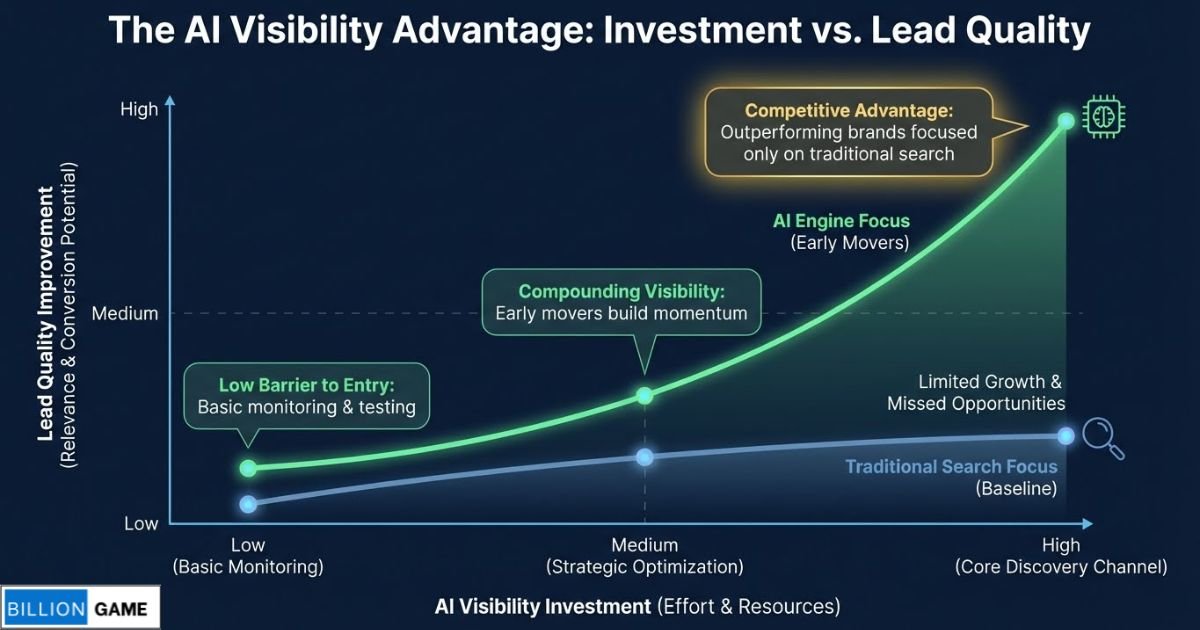
Here’s the reality.
Brands that treat AI engines as a core discovery channel outperform those focused exclusively on traditional search.
GEO is becoming a competitive advantage. Early movers are building visibility that compounds over time while competitors stay focused only on Google rankings.
And here’s the good news.
The barrier to entry is lower than you’d think.
Starting with basic visibility monitoring costs nothing. Understanding where you stand takes just a few hours of manual testing.
But brands that ignore AI visibility?
They risk losing discovery opportunities as more users rely on AI for recommendations. They risk falling behind competitors who are already building their AI presence.
Wrapping Up
Let me wrap this up.
AI search monitoring platforms solve a measurement problem that traditional SEO tools simply can’t address.
They track which AI platforms cite your content. They measure brand mentions across AI answers. They show changes over time.
Without this data, you can’t optimize for where customers increasingly search.
The shift to AI search is already happening.
Starting now means building advantages that grow stronger as AI adoption accelerates.
Ready to optimize your brand’s visibility across AI search platforms?
At Billion Game, we help businesses navigate both traditional SEO and the AI-first search landscape. Our data-driven approach ensures your brand gets discovered wherever customers search.

